Product Banner
Portable Bathroom
  • How do portable toilets work?
    How do portable toilets work? Apr 24, 2023
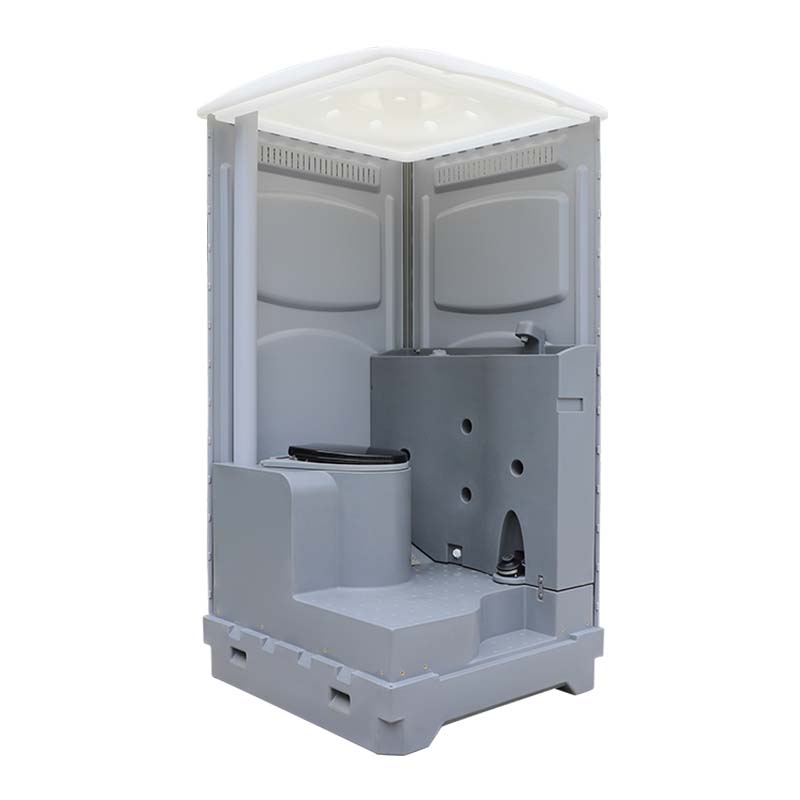
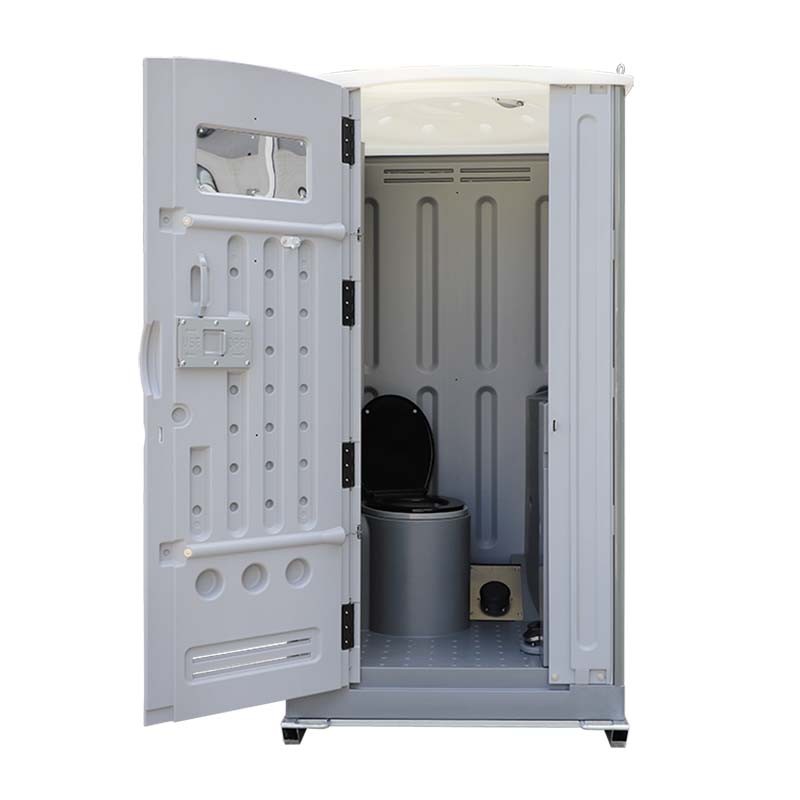
    Portable toilets work by flushing water from a hidden water tank, that’s fitted inside the toilet, or it uses toilet chemicals from the holding tank. As portable toilets don’t need to be connected to the mains, the toilet will hold all its waste and liquids. The waste is then carried away to a tank that’s secured underneath the cabin and eventually broken down by chemicals within the tank. Toilets. We can’t live without them, and when we need them most, we’re scrambling around looking for the closest one! Thankfully, whether you’re attending an event or working on a construction site, toilets are a must, and in most cases, a legal requirement. So, next time you’re queuing up to use the loo, remember this handy guide on how portable toilets work to spark up an unlikely conversation. What are the technical components of a portable toilet? Interestingly, Portable toilets are made up of four main components, which are: Toilet Seat Holding Tank Flushing Mechanism Pressure System Let’s dive a bit deeper into each component. Toilet Seat We don’t need to explain this one. However, we do recommend closing the lid after use! Holding Tank The holding tank of a portable toilet is exactly what it says on tin! It holds all the waste and is placed underneath the seat of the portable toilet, it also holds chemicals inside that help to break down any solid waste, eradicate germs and get rid of any bad smells that may be in the holding tank. Flushing Mechanism The flushing mechanism within the portable toilet is simply the process after you flush away your waste. Portable toilets either flush through toilet chemicals or water from a tank. Pressure System The pressure system works alongside the flushing mechanism to support the waste being moved into the tank, where pressure is created that circulates the water or chemicals through the pipe of the portable toilet and into the holding tank. What happens to the waste? A lot of people who use portable toilets are unaware of what happens to the waste inside. The waste will be emptied by the company that you’re renting your portable toilets from, and the process should be done on a weekly basis on your construction site, and in some cases on a daily basis for large events to prevent waste from overflowing. Your hire company will extract the waste from an output hole by using a large vacuum to suck out all the waste. The waste will be transferred into a separate tank to be exported to an Environment Agency Waste site. Don’t stop here, find out more about our portable toilet servicing. What type of portable toilets are there? When looking at portable toilets, you may not understand the difference between the various portable toilet options that are out there. The most common portable toilet is the Standard Portable Toilet, which is a very easy piece of equipment to use as they act as simple everyday toilets and are easily accessible. Most portable toilets are very similar, however disabled portable toilets are the most unique with different features to accommodate those with disabilities. These portable toilets ensure that people with disabilities have a designated toilet and prevents them from having to look for an accessible area to go the toilet.
  • Portable Toilet Maintenance Tips When You Need Your Rental For Several Days
    Portable Toilet Maintenance Tips When You Need Your Rental For Several Days Mar 30, 2023
    Portable toilets give you the opporutnity to provide attendees or guests with a toilet throughout your event. However, they are designed for 24 hours of use; then, they need to be sanitized and emptied. When your event runs over the 24-hour period, you want to keep the washrooms clean. More so, when your event runs long term, such as a week or even an entire season, you need to take extra steps to prevent smells, keep them sanitized, and stay up to code. No matter how long you have a portable restroom in use, you can keep it clean and fresh for weeks or months by doing the following: Utilize Cleaning Tablets – A cleaning tablet can be dropped at the bottom of a portable toilet. While the tablet will not clean it, it will keep away the odours and prevent germs from spreading inside your portable bathroom. Also, it gives the scent of freshness, which encourages people to use your portable toilets. Stock Supplies – To keep your portable toilet in operation, you need to ensure it is well stocked. That means keeping an eye on toilet paper, hand sanitizer levels, and air freshener. Give Them Air – Portable toilets need air to refresh. If you can, leave the door open and give it some air, because being closed and in the sunlight can make odours worse than they really are. Use air freshener, cleaning tablets, and keep the doors open when you can to keep smells at bay. Try to find a time when your potable toilets are not in use so that you can air them out appropriately. Sanitize the Vulnerable Points – One of the most overlooked portable toilet maintenance tips is sanitizing the most touched points. Certain areas of the toilet are used more than others; therefore, you want to sanitize these areas. Naturally, the company you used for your porta potty rental in Cold Lake should clean and sanitize, but you can follow up too by cleaning handles, dispensers, and toilet paper holders. Keeping your portable toilet up to par and making sure that you have adequate restrooms for your guests is not easy. Luckily, when you follow these portable toilet maintenance tips and combine them with a pumping service regularly, you have toilets that are ready to use no matter how long you have them out.
  • PORTABLE HAND WASHING STATIONS
    PORTABLE HAND WASHING STATIONS Feb 23, 2023
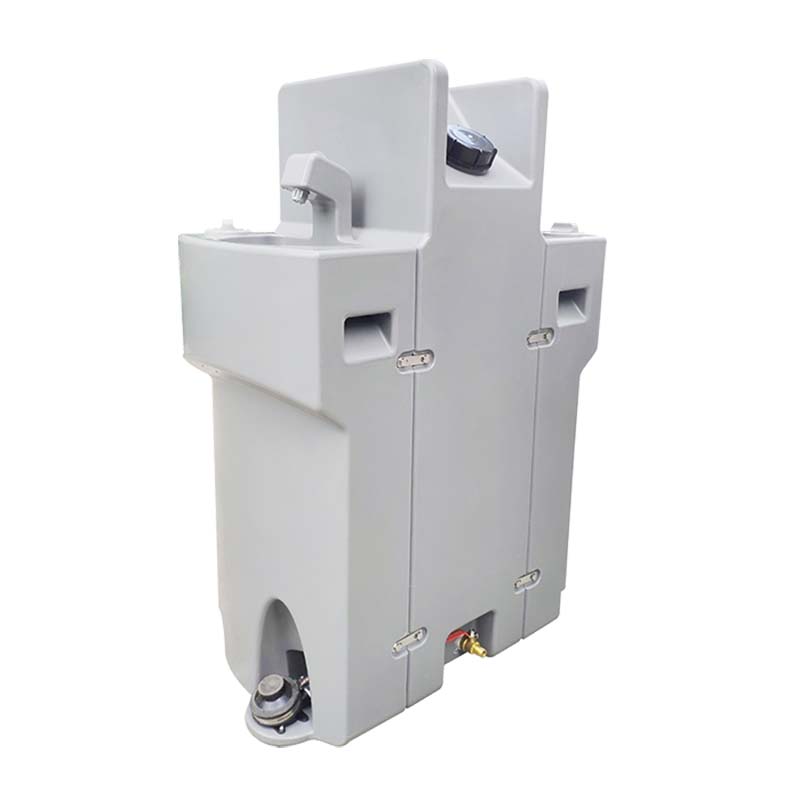
    Hygiene Measures and Thirst Quenchers for Outdoor Events Portable hand washing stations ensure the water supply at music festivals or other open-air events. Whether for hand washing, dental hygiene or refilling empty drinking bottles: Fresh water is essential for such activities. REFRESHERS AND BEST HYGIENE All participants attending the event feel well cared for with portable drinking and washing facilities. By serving as effective refreshers on the event site and making hygiene possible, they also contribute to health. MOBILE HAND WASH BASINS Topindus have different facilities available for this purpose. Mobile hand-washing basin: Sufficient washing places create the best conditions for more cleanliness.
  • How do Porta-Potties Work?
    How do Porta-Potties Work? Feb 01, 2023
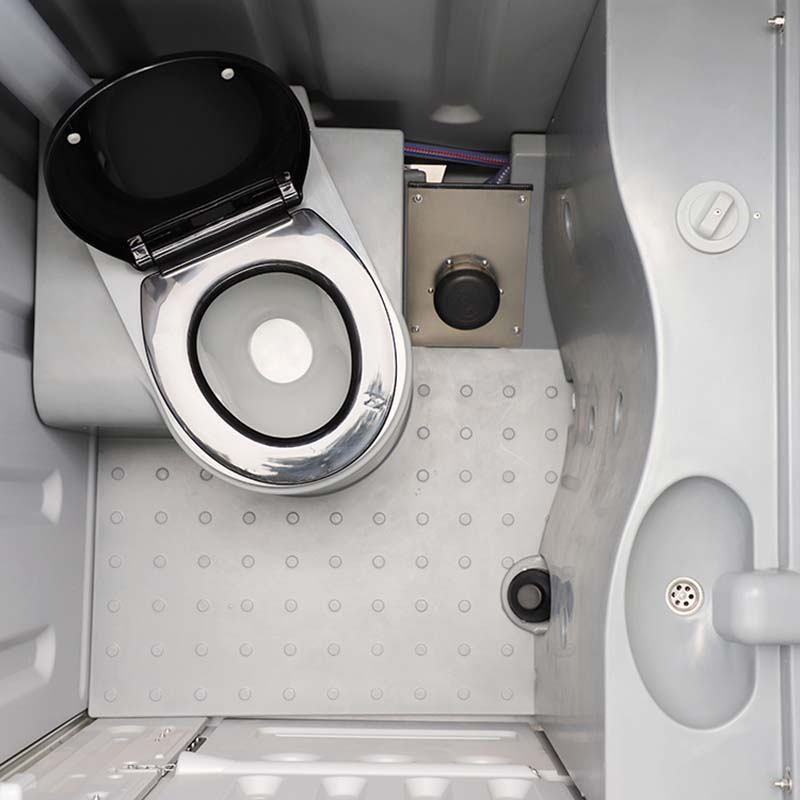
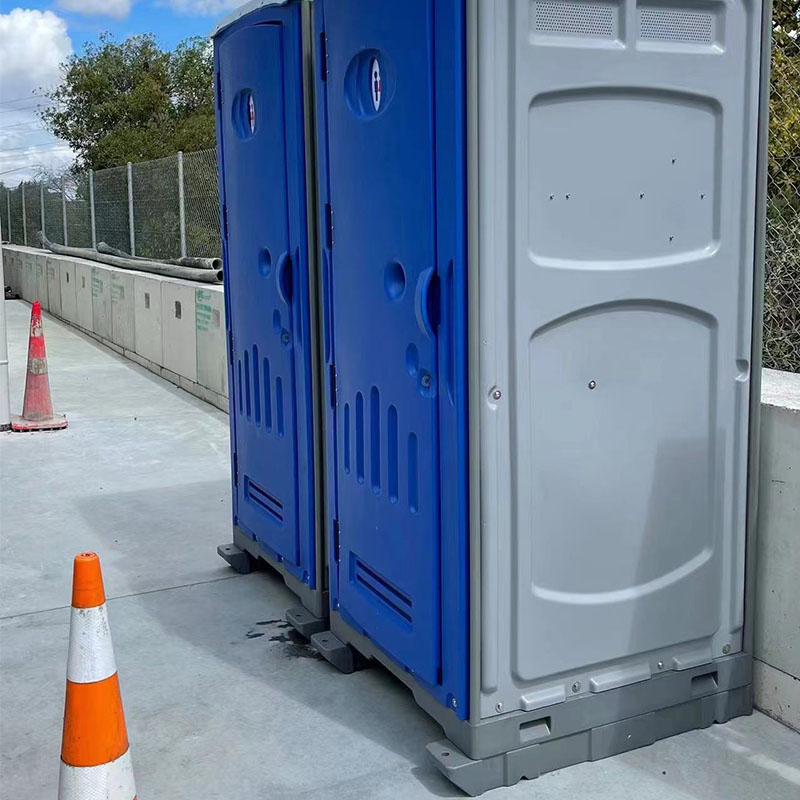
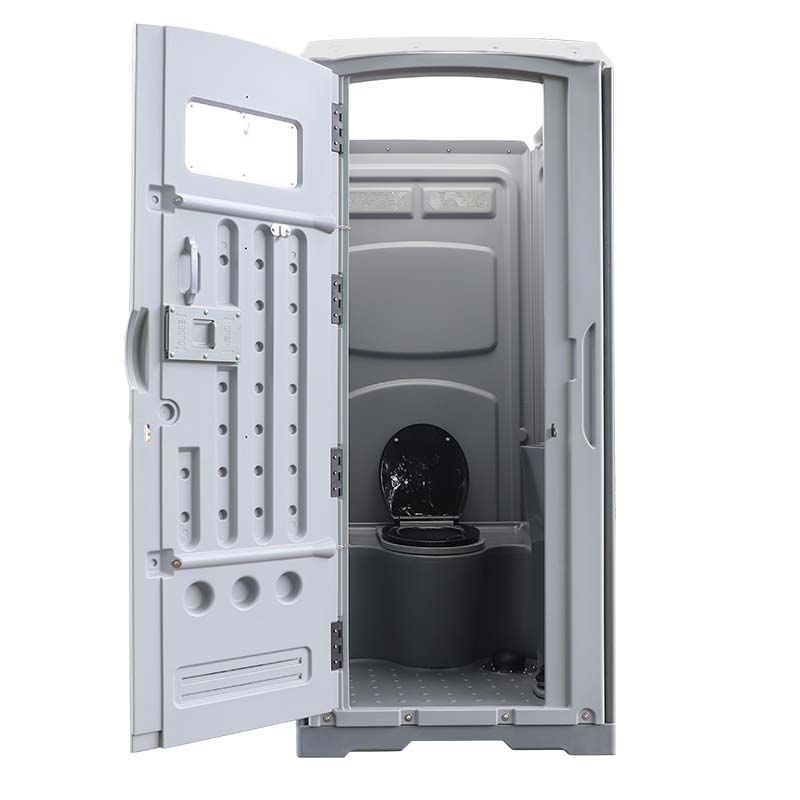
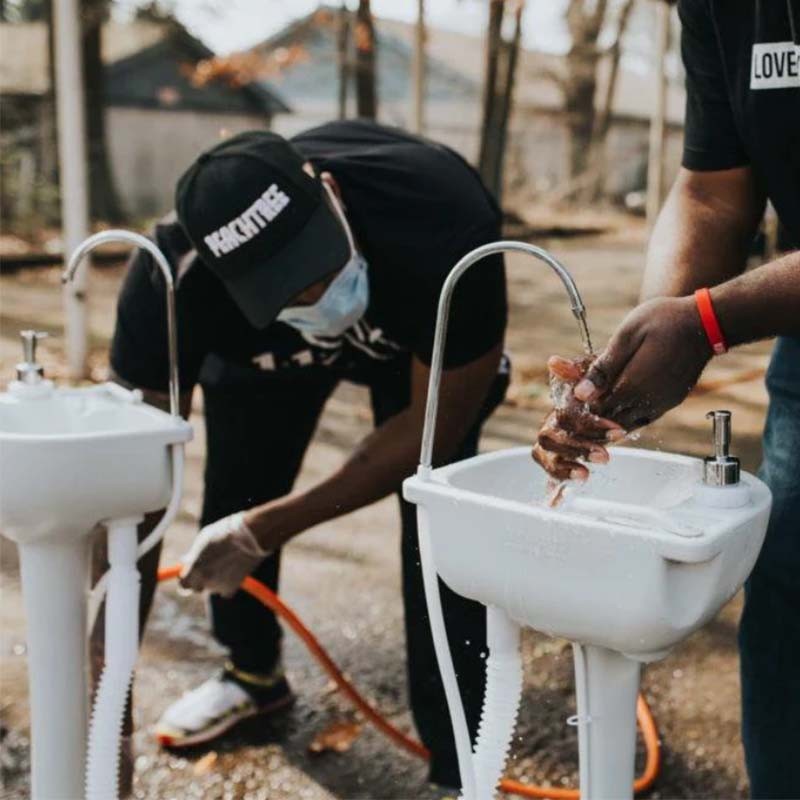
    You see them (and have used them) at festivals, fairs, and outdoor areas, but do you know how porta-potties work? Porta-potties are a staple at any large outdoor event. In construction, they are required by law to be placed on job sites. These portable loos provide convenient access to a restroom, prevent contamination of the site, and help workers remain focused and comfortable on the job. While they aren't very pretty, porta-potties do get points for being functional and inexpensive to rent. They also save a lot of water – an estimated 45 million gallons a year – and they're better than squatting it out on a construction site. So, how do porta-potties work? Here's how they help you do your duty. Portable Toilet Design A porta-potty – also called a portable toilet, chemical toilet, or porta-john – consists of a translucent roof, vents, and a high-density body made of aluminum and polyethylene. On the inside of the compartment, there is a non-splash urinal, toilet seat, holding tank (usually 60 gallons), and a non-slip floor to prevent any messy accidents. Some units also contain a flushing mechanism and pressure system that help circulate water and chemicals inside the tank. Unlike outhouses, porta-potties are not connected to any plumbing or sewage and their primary purpose is to hold waste temporarily until it can be disposed of by a professional sanitation team. What is the Chemical Used Inside Portable Toilets? While there is no universal formula for the chemical inside a porta-potty, the five main ingredients inside that blue swamp are: Water Blue Dye Fragrance Surfactants Biocides and enzymes Dye is mixed into water to help hide the appearance of waste. Blue chemicals are the standard because they turn green after mingling with enough waste, indicating to workers that the chemicals inside are no longer effective and should be replaced. Fragrances are used to mask some of the foul smell. Bubblegum and cherry are two of the most commonly used scents. Surfactants placed in the concoction also help the fragrances dissolve better in water, helping the scent spread more uniformly throughout the unit. Biocides and enzymes are used in most modern porta-potty units is comprised of enzymes and microbes that feed on the odor-causing bacteria in human waste and speed up the decomposition of organic matter, making disposal easier later on. Porta-Potties and Weather While porta-potties are usually effective, weather can compromise them. Hotter temperatures can intensify odors emitted by waste bacteria, causing them to stink up the unit more quickly. To combat this, operators bump up the chemical-to-water ratio in the summer. While a porta-potty unit contains vents and can also reflect light to help reduce heat, it is also wise to move the unit to an area with less direct light and where there is more natural airflow. When weather is colder, on the other hand, a salty brine must be added to the chemical tank in order to prevent it from freezing. To do so, porta-potties include a clever salt-emission tool: as porta-potty patrons use the urinal, a cake of rock salt releases more brine into the tank to lower the freezing point of the chemical solution and prevent the formation of frozen excrement (which, needless to say, would make cleaning very difficult). How are Porta-Potties Emptied? Because they are self-containing, the waste in porta-potties needs to be removed by very dedicated people. On an average day, a sanitation worker will service 40 to 50 units, and porta-potties are cleaned on a weekly basis or approximately once every 100 uses. To empty the unit’s bowels, sanitation workers connect a vacuum directly to the holding tank or output hole if the unit has one. The vacuum suctions the waste into a large tanker truck that is equipped with a waste storage unit and a smaller freshwater tank. Once the waste is removed, workers fill the porta-potty holding tank with some fresh water, dye, and an enzyme solution. They then spray the walls, floors, seats, and urinals to clear bacteria and any doo that might have splashed around. Paper towels, toilet paper, hand sanitizers, and other supplies are restocked. The tanker truck then delivers the waste to a municipal treatment plant to be disposed of along with the waste from traditional plumbing systems. Are Porta-Potties Safe? Porta-potties are safe to use for your waste disposal needs, but they do have a messy reputation. Almost 75 percent of users feel that porta-potties are not a clean solution. 95 percent refuse to make any contact with the seat. The truth is, many porta-potties look unsanitary because they are not properly maintained. While bacteria for illnesses such as norovirus, shigellosis, salmonella, and hepatitis A can be caught from portable toilets, any individual can avoid being affected with proper hygiene and a healthy immune system. Studies even show that you are more likely to catch disease-carrying germs during a picnic than while you are using a porta-potty. As with other things, you should be fine using a porta-potty as long as you follow common sanitation practices. How about the safety of the chemicals inside a porta-potty? While portable toilets used to contain formaldehyde, the same chemical used to preserve human tissue, it has become outlawed in many states due to its toxicity, which can be dangerous to human health and have negative effects on the environment. Today, porta-potties use biocides that are non-toxic in its diluted form. What to Consider Before buy a Porta-Potty Portable toilets come in many shapes, sizes, and features. When renting a porta-potty, there are a few important factors to consider. Type of Project or EventThe event type will help determine the correct kind of portable toilet and how much rental time you need. For example, you can choose from standard porta-potties or upgrade to “luxury” trailers and climate-controlled units based on the project. Number of PeopleThe general rule of thumb is that there should be one porta-potty for every 40 to 60 people – if it's for a construction site, that ratio should be higher at one unit for every 20 workers. LocationIf you have more land to cover, you'll need to rent more units. The proximity of the unit to your event or construction site will also affect the delivery and maintenance costs. MaintenanceDepending on the length of your event, more regular maintenance might be required to keep the porta-potties clean. You'll also want to confirm that the company you choose upholds appropriate sanitation standards. Portable toilets have come a long way over the years. Some units now have marble walls, porcelain seats, flushing systems, and sanitation amenities. The bottom line: porta-potties provide an effective, safe, and inexpensive way to take care of your business. Looking for on-site solutions for your next construction project? Topindus offers a variety of portable toilets.
  • Importance of Handwash Stations at Construction Sites
    Importance of Handwash Stations at Construction Sites Dec 05, 2022
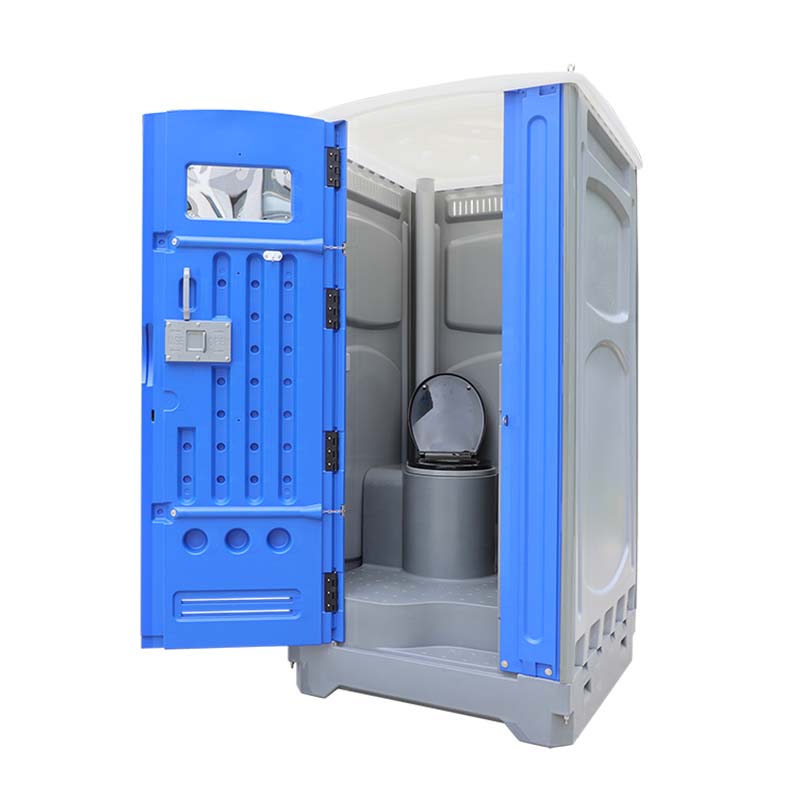
    our construction crew is hard at work to make your vision a reality — but as the workers complete your project, you will also need to erect a temporary infrastructure to keep them comfortable, safe, healthy, and productive. Hand wash stations are one of the most essential components of any setup on a construction site, yet they are often no more than an afterthought. What should you know about hand wash stations at construction sites to ensure that the workers can carry their jobs out smoothly, while you know beyond a shadow of a doubt that you are following regulations? Why Are Handwash Stations So Important on Construction Sites? The importance of handwashing has been drilled into every single one of us in recent times, but the legal requirement to provide adequate hand wash stations on construction sites is far from new. Indeed, the Occupational Safety and Health Administration (OSHA) has long required that construction crews be offered ample opportunity to wash their hands properly — with safe running water and soap. In addition, construction crews should be able to dry their hands with either single-use paper towels or with warm-air hand dryers. Hand washing matters on construction sites for some of the same reasons it is so crucial in every other setting, but also for some additional reasons. It goes without saying that: Construction workers need to be able to wash their hands after using a portable toilet. Construction workers need to be given access to hand wash stations before they eat, drink, or smoke. Construction workers need to be able to wash their hands before they go home. Preventing the spread of germs and maintaining personal hygiene are not the only motivating factors, here. Construction workers also routinely come into contact with hazardous materials over the course of a normal working day. Solvents, various kinds of dust, paint, coatings, mold, and other harmful substances can come into contact with a construction worker’s hands, and they all need to be washed off with running water and soap. Workers need to be able to wash their hands to protect their skin and their general health from contact with hazardous materials, as well as to prevent cross-contamination that may put the progress of the work in jeopardy. In addition, workers with small injuries such as cuts or scrapes will instantly turn to hand wash stations to clean their wounds. While hand sanitizing stations, which offer alcohol-based hand sanitizers rather than running water and soap, can be an acceptable alternative when the goal is to stop germs in their tracks, the same cannot be said for hazardous substances. This is why portable sinks are a must on construction sites. Construction sites may still wish to offer hand sanitizing stations in addition to portable handwash stations, but hand sanitizer simply cannot replace soap, water, and towels. How Many Hand Wash Stations Does a Construction Site Need? How many handwash stations should you install on your construction site? That depends on the nature of the project. In general, you require one hand wash station for every 20 employees to comply with OSHA regulations, and you will want to round that number up. That means, for instance, that a job site with 55 workers will need three handwashing stations. Should the site have regular visitors, additional handwash stations should be added to cater to their needs. What Else Should You Take Into Consideration? Hand wash stations should be easily accessible and placed wherever a construction worker might require them. They should be separate from portable toilets but located nearby. Hand wash stations should offer, in addition to running water and soap, skin cleansing agents wherever relevant, a reliable means for workers to dry their hands (disposable paper towels or air dryers), and a place to dispose of paper towels. They must also be labeled clearly. Where necessary, portable handwash stations can provide warm water as well as cold running water. In cases where workers routinely come into contact with hazardous substances or they will be working longer shifts, providing shower trailers is another option to consider. These portable showers allow workers to rid themselves of all the dust and solvents they come into contact with on the job. Are you not sure how many handwash stations you need at your construction site? Are you worried about the need to install and maintain handwash stations? You don't need to think about the technical questions when you work with Topindus.
  • What Is a Chemical Toilet?
    What Is a Chemical Toilet? Nov 30, 2022
    If you have attended a large outdoor event, you may have seen a porta potty bank or a sitting of portable toilets, which is an arrangement of many portable toilets. A chemical toilet is a portable toilet that collects human waste in a reusable holding tank and relies on chemicals to reduce the foul odor. It uses a small holding tank that requires regular emptying once full of human excreta, usually pumped into a treatment plant or a sanitary sewer. In this article, we cover some of the essential aspects of chemical toilets, like where they are used, how much they cost, and what their advantages are. What are the Advantages of Chemical Toilets? Despite their extensive usage of environmentally harsh chemicals, chemical toilets have several advantages. Let's cover some of these benefits below. Portability Perhaps portability is the number one great win for chemical toilets. Their portability owes to the fact that they are not connected to any plumbing system. It's also attributable to their lightweight nature, making it easy to lift them around and install them anywhere outdoors. Restroom trailers, also known as luxury restroom trailers or portable restrooms, are advanced chemical toilets with enhanced portability and other luxury features. They are mounted on trailer platforms with wheels and can be pulled by a vehicle, making moving them more manageable. Self-containment Although not all chemical toilets are self-contained, most modern models come with a toilet seat, urinal, toilet tissue compartment, hand wash sink, mirrors, exterior and interior lighting, soap dispenser, and flushing mechanism. Such comprehensively stocked chemical portable toilets offer users an all-in-one service whenever they need to answer the call of nature in outdoor gatherings. Ease of Use and Cleaning A chemical mobile toilet is easy to use, just like the standard indoor toilet unit. The toilet bowl and urinal guide the waste matter, toilet paper, and urine into the waste holding tank, where the human waste collects until the tank is full and ready for emptying and replacement. The cleaning process for the portable toilet facility is easy. The chemical additives act as a deodorizer to minimize the unpleasant odours caused by multiplying bacteria. The toilet additives also act as disinfectants. Since the full holding tanks are emptied into a vacuum truck, cleaning them is easy once they are rid of the human waste. What's more, you don't have to worry about the cleaning because most chemical toilet renting companies offer waste disposal and cleaning services.
  • How To Starting A Portable Toilet Business
    How To Starting A Portable Toilet Business Nov 24, 2022
    Although there may not be many of us who spend time contemplating the business of portable restrooms or porta-potties, they are a part of modern life and a very good source of income for hard-working entrepreneurs seeking financial success. Starting a portable toilet company is no easy endeavor, and careful preparation on several fronts is necessary in order to be successful. Find The Right Portable Toilet Supplier No matter where you may reside, as a portable toilet entrepreneur you can start by seeking out the best supplier for your line. When comparing portable toilet manufacturers, there are three factors that should be taken into consideration. They are: product, customer service and company intangibles. Product Obviously, the toilets themselves must meet standard criteria. The most common is the Standard Unit, which is commonly seen in construction sites. They are durable and built to specifically provide adequate ventilation and to withstand both harsh weather conditions and the chemicals used for cleaning. Enhanced Access Units are larger because they accommodate wheelchairs. Equipped with handrails and sometimes baby-changing stations, these appeal to families with small children. Restroom trailers stand apart from other types because they are meant to create a "homey" bathroom experience. Equipped with multiple stalls, urinals and showers, if this is the desired specialty, an entrepreneur must dig a bit deeper for a supplier because not all of them deal with restroom trailers. One important benefit associated with selecting a portable toilet manufacturer is the pride felt about using locally made products. A "Made in China" sticker is a warm and fuzzy welcome as well as a symbol of quality and durability. A top portable toilet manufacturer will offer porta-potties with quality parts and features some of which include: corners that are strong and can accommodate frequent handling and strapping for transport; doors that don't sag and close firmly and top-of-the-line components that include everything from the smallest pieces of toilet seat hardware to larger elements, such as unit side panels. Customer Service Whomever you purchase your portable toilets from, be sure to inquire about, and thoroughly research, their customer service performance and policies. While product certainly matters, customer satisfaction often correlates with business results, growth and sustainability. If you want to be in the business for the long haul, you want a company with a dependable track record. Those that prioritize customer service usually win in the end, and never forget; that applies to your portable toilet service business as well. Company Intangibles By definition, company intangibles cannot be physically touched. Assessing their worth is often difficult because their value is long-term and cannot be precisely delineated in the same manner as land, vehicles, equipment, and inventory. They include aspects such as: a good reputation, experience and expertise, brand recognition and intellectual property, including: patents, trademarks, and copyrights. Be sure to get your portable toilet company off on the right foot from the very beginning! Do your homework and consider options carefully, and above all else. Topindus will be your most trusted portable toilets manufacturer in China.
  • What Is Standard Portable Toilet
    What Is Standard Portable Toilet Nov 24, 2022
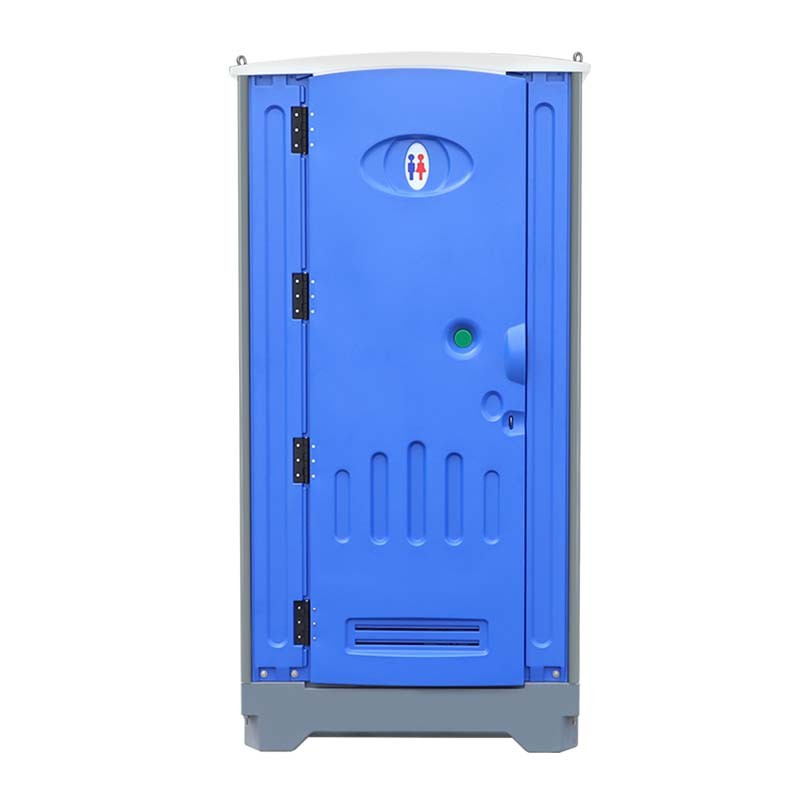
    The standard portable toilet is the most iconic portable toilet in the industry. These portable toilets have about 12 square feet with a dimension of 43.5”x47”. They are configured with a comfortable setup and interior dimensions of 11.7 square feet or 41”x41”. The Capacity Of The Standard Portable Toilet Size The standard portable toilet has a capacity of about 200 uses. On average, one standard portable toilet is capable of serving 100 people for a single, 4-hour event. This portable toilet is great for construction sites (10 workers for a 40-hour work week), outdoor concerts, or a casual event at your home where you may not want to have people going in and out of your house (i.e. family reunions, or graduations). Best Event Types For The Standard Portable Toilet While the standard portable toilet can be used for almost any occasion, here are some of the reasons to use this style versus another. You are looking for the most economical way to offer a lot of units You are hosting a casual event You need a temporary restroom during a home remodel project It is important to remember that these restrooms do not comply with ADA standards. If you are doing any kind of public event, you must also order a Handicap unit. Also, remember these standard units do not have a handwashing station, so if you need a sink, you may want to consider an elite unit or adding a handwashing station.
  • Four Facts About Portable Toilets You Need To Know
    Four Facts About Portable Toilets You Need To Know Nov 21, 2022
    Portable toilets, or commonly known as Porta-Potties, are similar to toilets we use daily at our homes but the only difference is they are transportable. Due to their lightweight and efficiency, they are preferred in outdoor events such as concerts, fairs, camping facilities, construction sites, and wherever traditional restrooms are not accessible or nonefficient. Keep reading to find out 5 new facts about portable toilets. Flushed toilets were made way before portable toilets were invented According to Smithsonian, the flushed toilet was invented in 1596 but wasn't used much until 1851. Where modern porta-potties were invented in the 1940s to increase efficiency in dock loading work. For a 4 hour event, 1 porta-potty is enough for 50 people The number of portable toilets needed in any event is dependant on many factors. Type of the event, number of people, alcohol and food consumption, the length of the event, women to men ratio are some of these factors. If you are renting porta-potties for a construction site, there should be one portable toilet for 10 construction workers. But for special events, one for women and one for men is sufficient. Also, handicapped toilet options should be available at all events. For a 4 hour event, a general rule is to have one portable toilet for 50 people. And if there is alcohol consumption in the event, the number of portable toilets should increase 10-20%. A portable toilet is cleaned once a week – and of course, it depends on the usage The maintenance interval mostly depends on the usage rate. But commonly, a portable toilet is cleaned once a week. Cleaning properly and on time is important for our health and safety. If the toilets smell, that means the toilet is not maintained properly and the spread of the diseases becomes easier. Therefore, for better waste management, working with a certified and regulated company is the best way to maintain safe toilets. There are also regulations in some countries due to chemicals used in portable toilets for sanitation purposes. Thus, these hazardous wastes in the toilet tank should be disposed of carefully and according to the local regulations. Portable toilets are safe during Covid-19 If they are cleaned properly, their structure allows less spread of Covid-19 which makes them safer than the common toilets we use. Besides the fact that many portable toilets are cleaned by regulated companies in strict time intervals, the chemicals used in the portable toilets kill all the bacteria and viruses including Covid-19 which makes portable toilets safer for people during this time. Portable toilets cannot be flushed and that makes them healthier than regular toilets. Not flushing prevents spreading the diseases to the air.

  • Portable Hand Wash Station For Homeless
    Portable Hand Wash Station For Homeless Nov 11, 2022
    In the United States of America, as of 2019, there were more than five-hundred thousand homeless people living on the streets. That number has certainly not lessened in 2020. In fact, it is in growth. For these people, just getting through every day is a struggle, and the places where they can normally go for help are restricting access for safety reasons. Many homeless people have nowhere to turn, and are in need of ways to stay safe during this time. Therein lies in importance of portable sinks for the homeless community. There are many reasons why they are beneficial, but the first and foremost benefit is that they are more capable than hand sanitizers at keeping individuals clean. Indeed, they are very effective. Another important benefit of portable hand wash sinks for the homeless community is that they can be easily moved where they are needed most. They are not fixed in place and as such are not limited by location. Wherever homeless people need the products, they can be taken. They are lightweight and easy to move and many of them, including those made by TOPINDUS, have wheels built-in which gives people easy access and transport to new locations. And, of course, there is the matter of water. Portable sinks need water to be used in the system in order to actually do the business of cleaning hands (or other small objects). Homeless people do not have vast supplies of clean water to use for hand washing, but luckily that is not needed with portable hand washing stations. Indeed, they are actually extremely efficient, which is needed when working with the homeless community. The product needs to be reliable and simple to maintain, and portable sinks are just that. The water tanks in portable sinks can last for days at a time, which means that they do not need to be constantly changed. Again, this is important because it means that the products can be left to those who need them without constant maintenance. Nobody has to worry about the supply of water because it is often sufficient for long periods of time. And maintenance, too, is also not a problem for most portable hand wash station. Many are made from strong compounds and metal and are assembled easily by the customers. This means that they will last for a while, even in the adverse conditions which most homeless people unfortunately live under. This alleviates yet more worry associated with products that will need to be used often and in conditions that most items are not built to withstand. Portable sinks are perfect for outdoor areas and can be used during much of the year. All of this is to say that portable sinks will work very effectively in outdoor environments, and that using them is simple and effective. This is important to remember, because it is exactly what makes them so useful and necessary for the homeless community. Without having to worry if they will break, portable handwashing stations can be purchased and donated to homeless communities effectively. Without worrying if they will have enough water, portable sinks can be provided and used regularly. They can be taken from place to place easily and they are affordable and sturdy. They are, essentially, perfect for the homeless community, and their benefits are numerous. They are, as stated, much better for people to use than hand sanitizer. They keep people cleaner than they would otherwise be. Portable handwashing stations are equipped with large liquid soap storage dispensers, and regularly washing with soap will keep individuals cleaner than they would be otherwise. It is also important to note that in metropolitan areas, where the vast majority of the homeless community resides, portable sinks can be moved from place to place and can serve large groups of people easily. A couple portable sinks, while not meaning much to the average person, can mean the difference between health and sickness, life or death, for those in the homeless community. That is a big deal. It might seem like a trivial thing, but it is not. The homeless community has been largely left to struggle alone during this the most turbulent time in the global community in a century. Alone, the struggle is unimaginable and immense, and the power that proper sanitization has to mitigate such struggle is truly astonishing. The importance of portable handwashing stations for the homeless community cannot, and should not, be overlooked. As covered above, the benefits are numerous. The units are easily moveable, they can be left alone for days at a time, they are strong, they are affordable, they help get rid of germs and ward off disease, and they are very much needed by the homeless community in the current moment. Without proper cleaning, any virus will spread, especially one as easily transmitted at COVID-19. A strong virus is difficult to beat and control even for people with homes and access to quality medical care. For those who do not have those things, diseases can be a devastating part of life. The good that can come from portable handwashing stations for the homeless is immense. Private citizens have already been donating some portable sinks to cities in the United States to be used for the homeless population, and while they are helping, more are certainly needed. In this moment, buying and distributing portable handwashing stations to the homeless is not simply something good that should be done, but that must be done. Indeed, portable sinks are useful for a variety of communities even in times when health and virus concerns are not prevalent. Now, however, such concerns are rightfully worrisome, and the effectiveness of portable sinks in many situations, only one being for the homeless population, has been greatly increased and should not be disregarded.
  • New Color Options Of The Small Portable Toilet
    New Color Options Of The Small Portable Toilet Nov 09, 2022
    Our TST-01 HDPE seated portable toilet is only with blue door color and grey wall color option in before. To provide our clients more color options, we added the grey door and red walls color choice recently. The red color walls are extremely attractive. The red seated mobile toilet is compact in size and light in weight, easy to move. It is produced by roto-molding workmanship, the quality is strong and durable. This roto molding portable toilet is suitable for outdoor events and construction sites.
  • History of Portable Toilet
    History of Portable Toilet Sep 22, 2022
    The portable toilet is a lightweight, transportable, efficient and more sanitary variation of a common facility for the elimination of human waste that existed before the advent of indoor plumbing—the outhouse. Before indoor plumbing allowed for the development of a system for transporting human waste from a receptacle to a sewer system through a series of pipes and other plumbing apparatus, humans often attended to their need to eliminate waste in an isolated stall located outside of living and working quarters, if they elected to use any type of structure at all. Typically, this stall contained a bench with a large hole cut into it. The waste was deposited through the hole directly to the ground below. A more refined version of the outhouse was the water closet, an indoor facility with a water tank and flushing system that deposited the waste in a cesspit below. The advent of indoor plumbing led to the development of the first modern toilet in 1843, although toilets hooked up to sewage systems did not come into general use until the Victorian era when modern sewage systems began to be constructed. Still, this innovation was not useful for those who worked or otherwise congregated in outdoor areas with no access to such a facility. Some such venues, such as many roadway rest areas, camping facilities, and children's summer camps, still utilize rustic outhouses. Since at least the 1960s, many other venues, especially those where populations congregate only for temporary periods, have featured lightweight, sanitary portable toilet facilities—easily transportable, private, individual plastic stalls containing toilets, each with its own independent sanitary system consisting of rudimentary plumbing, a holding tank, and sanitizing chemicals. Portable toilets are most commonly used at construction sites, outdoor parking lots, and other work environments where indoor plumbing is inaccessible, and at large outdoor gatherings such as concerts, fairs, and recreational events. The earliest known toilet facilities date back to the third millennium B.C. Rudimentary lavatory facilities have been discovered in the form of recesses in stone walls of houses in Scotland dating back to around 2,800 B.C. Around the same time, it appears that Western-style lavatory facilities were being constructed from bricks with wooden seats in Pakistan. Sewage fell through a chute to a drain or cesspit. In Egypt, toilets have been found in the bathrooms of tombs, presumably for use in the afterlife. The first portable toilet dates back to the mid-fourteenth century B.C. In Egypt, a wooden stool with a large slot in the middle for use with a pottery vessel beneath it was discovered in the tomb of Kha, the senior official of the Thebes workmen's community. Until the eighteenth century, the portable chamber pot, a slightly more modern variation of this first portable toilet, was the most commonly used lavatory facility. The notion of a flushable toilet was developed by the Elizabethan poet Sir John Harington, who designed an indoor water closet containing a toilet facility that could dilute sewage with water contained in a cistern. This invention was significantly enhanced by Thomas Crapper, who in 1886 created the first flushable toilet featuring a water tank placed high above the toilet bowl to actually flush out the contents of the bowl, rather than merely dilute them. As public sewage systems became more developed, Crapper's invention became common. In the twentieth century, inventors have combined the portability of the more ancient lavatories with the sanitary benefits of the modern toilet to create a contained system that is also compact, lightweight, and transportable. The portable toilet, commonly called the Porta-John after one prominent manufacturer of this product, is now a common feature at work sites and events that do not have access to sewer systems.
1 2 3

A total of3pages

leave a message

leave a message
If you have any questions or special needs about our container house or mobile toilet products and so on, please feel free to leave a message and our professional team will respond to you in the fastest time and provide the most suitable and cost-effective solution for you.
Submit

Home

Products

whatsApp

contact