Product Banner
Portable Bathroom
  • Hygiene Solutions for Outdoor Activities: Mobile Toilets
    Hygiene Solutions for Outdoor Activities: Mobile Toilets Nov 28, 2024
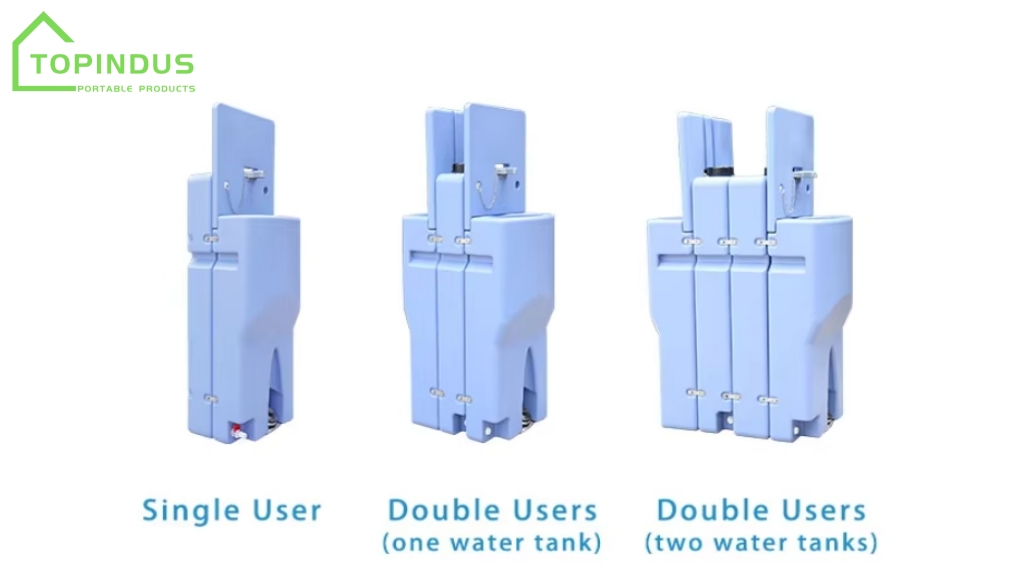
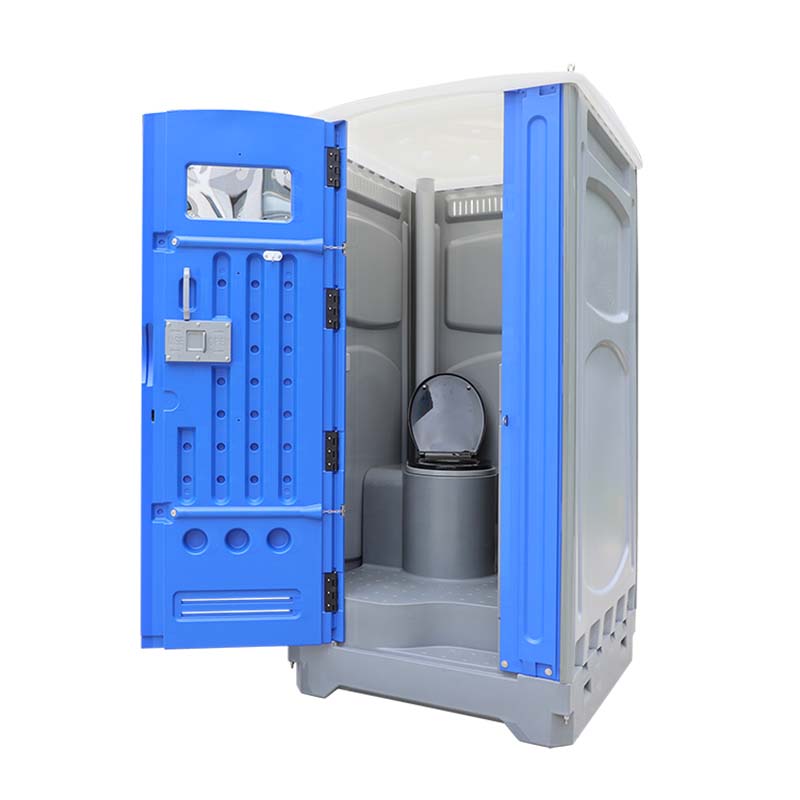
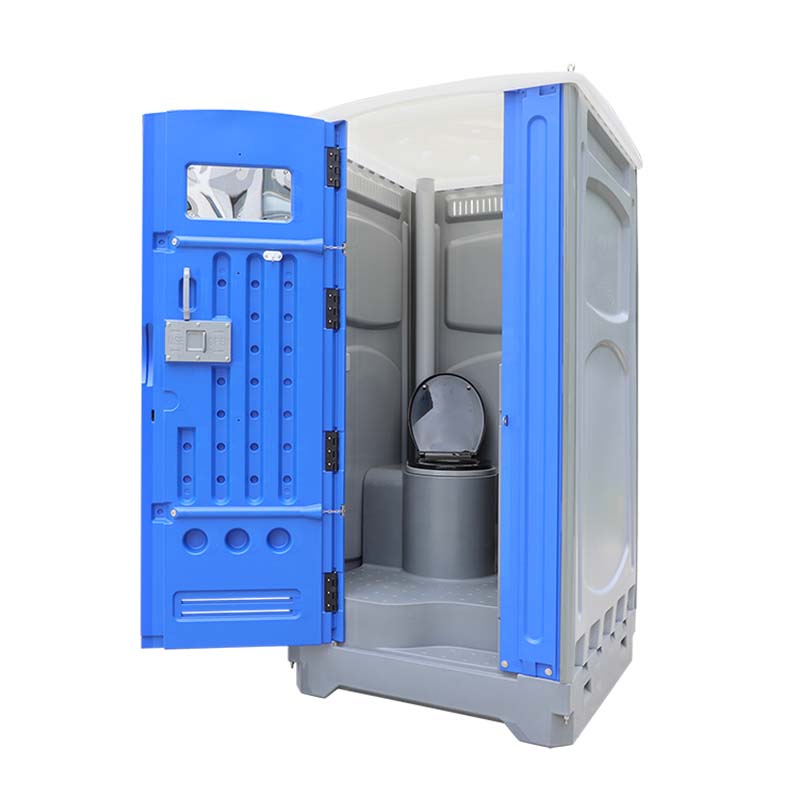
    Maintain cleanliness and hygiene at outdoor events with our mobile toilets and hand-washing stations, your ideal choice.Whether it is a music festival, sporting event or outdoor adventure, there is a growing need for a solution that is both convenient and hygienic to meet the demands of nature. Why Choose Our Mobile Toilets? Convenience: Our mobile toilets are lightweight, easy to transport and install, making them suitable for quick deployment in remote camping sites or bustling city centers. Hygiene Assurance: Each toilet is equipped with an efficient cleaning system to ensure cleanliness and hygiene after use, reducing odors and bacterial growth. Eco-Friendly Design: Our products are made from environmentally friendly materials, aiming to minimize environmental impact while providing a comfortable user experience. Versatility: Our mobile toilets are not only suitable for outdoor events but also for construction sites, emergency response situations, and more. The Added Benefits of Mobile Hand-Washing Stations Immediate Cleaning: The accompanying mobile hand-washing stations allow you to wash your hands immediately after using the toilet, maintaining personal hygiene. Water-Saving Design: Our hand-washing stations feature water-saving technology to reduce water waste. Easy Maintenance: Simple in design, they are easy to clean and maintain, ensuring long-term reliability. Choose our mobile toilets and hand-washing stations to make your outdoor activities more hygienic and convenient. Let's enjoy the fun of outdoor activities together while keeping the environment clean and hygienic.
  • Accessible Portable Toilets: A New Option for Inclusivity
    Accessible Portable Toilets: A New Option for Inclusivity Sep 12, 2024
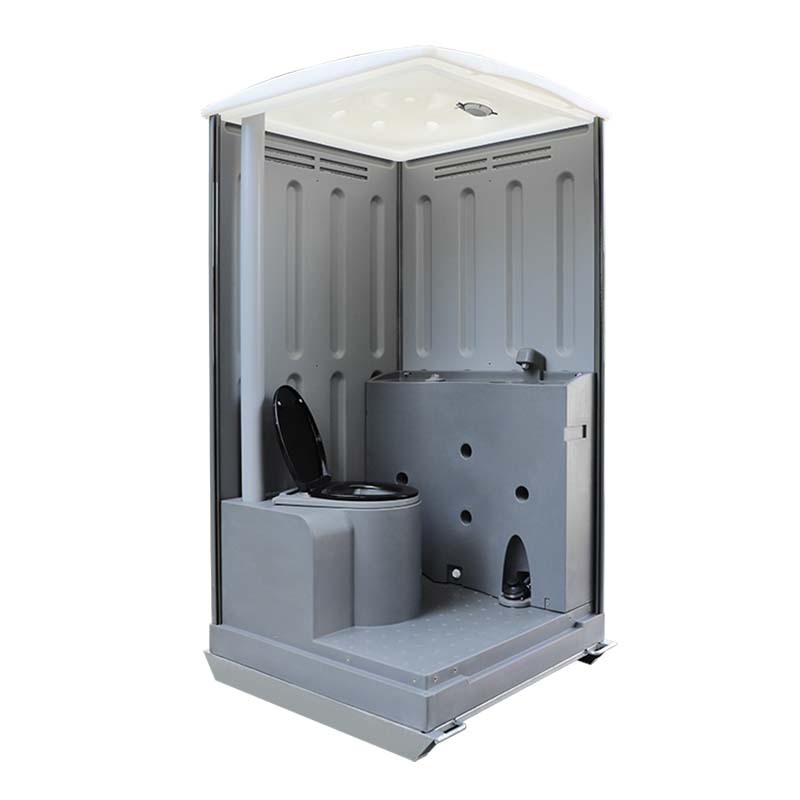
    At Topindus, we're committed to enhancing accessibility and sustainability in public sanitation. Our latest offering, the Handicapped Portable Toilet with Water Circulation System, is designed to provide a comfortable and eco-friendly restroom solution for individuals with disabilities. Understanding the Handicapped Portable Toilet This wheelchair-accessible HDPE portable toilet is more than just a toilet; it's a testament to our dedication to creating inclusive spaces. Made from high-density polyethylene (HDPE), known for its durability and resistance to harsh weather conditions, this toilet is built to last while ensuring a pleasant user experience. Key Features of the Water Circulation System Recirculating Flush: The toilet features a floor-mounted, hand-operated pump that facilitates a hands-free sanitation process. A weighted flapper valve effectively seals off waste, enhancing hygiene and odor control. Efficient Water Management: The dedicated filter at the bottom of the tank separates solids and recirculates the existing water for flushing, eliminating the need for continuous access to fresh water. Waste Tank Capacity: With a 163-liter waste tank, the toilet can serve high-traffic areas without frequent emptying. Design Considerations for Accessibility Wider Entrance: The toilet's expanded entrance allows for smooth wheelchair access, ensuring a barrier-free environment. Grab Bars: Sturdy handrails are installed inside to assist users in safely transferring between the wheelchair and toilet seat, promoting safety and independence. Versatile Applications This portable toilet is ideal for a variety of settings, including construction sites, events, outdoor gatherings, and more. Its unassembled or assembled packing options make transportation and storage convenient. The Impact on Sustainability By incorporating a water circulation system, we're reducing water waste and promoting a more sustainable approach to sanitation. This system minimizes the environmental footprint while maintaining high standards of cleanliness. The Handicapped Portable Toilet with Water Circulation System is a significant step forward in accessible design. It not only meets the needs of individuals with disabilities but also aligns with our mission to provide sustainable and user-friendly solutions.
  • Elevate Your Outdoor Experience with Light Steel Portable Toilets
    Elevate Your Outdoor Experience with Light Steel Portable Toilets Jan 16, 2024
    In the realm of outdoor events and construction sites, the need for portable sanitation solutions is paramount. Among the myriad options available, the light steel portable toilet stands out as a reliable and versatile choice. In this blog, we'll explore the features and benefits that make these portable toilets a game-changer, with a focus on the color light steel. The Aesthetics of Light Steel: The color light steel brings a modern and sleek aesthetic to portable toilets. Unlike traditional white or beige options, light steel exudes a sense of cleanliness and sophistication. This color choice seamlessly blends into various outdoor environments, making it a versatile and aesthetically pleasing addition to any event or construction site. Durability and Construction: Light steel portable toilets are built to withstand the rigors of outdoor use. The use of high-quality materials ensures durability and longevity, even in challenging weather conditions. The steel construction provides a sturdy foundation, offering users a secure and comfortable experience. Portability and Easy Installation: As the name suggests, portability is a key feature of these toilets. They are designed for easy transportation and quick installation. The lightweight nature of light steel makes these toilets effortlessly movable, allowing for flexible placement based on the changing needs of the event or construction site. Hygiene and Maintenance: Maintaining a high level of hygiene is a top priority for portable toilets. Light steel EPS portable toilets are equipped with features such as hand sanitizers, ventilation systems, and easy-to-clean surfaces. The non-porous nature of steel makes it resistant to stains and odors, ensuring a clean and sanitary environment for users. Environmental Considerations: In an era where sustainability is paramount, light steel portable toilets are designed with environmental considerations in mind. These toilets are often equipped with water-saving features, reducing the overall environmental impact. Additionally, the durable construction ensures a longer lifespan, minimizing the need for frequent replacements and reducing waste. Customization Options: Light steel portable toilets offer customization options to cater to specific needs. Whether it's branding for a corporate event or specific features for a construction site, these toilets can be tailored to meet individual requirements. The versatility in design and color choices allows for seamless integration into various settings. Conclusion: The color light steel brings a modern touch to the world of portable toilets, combining aesthetics with durability and functionality. Whether you're organizing a large outdoor event or managing a construction site, investing in light steel portable toilets is a decision that enhances both the visual appeal and practicality of your setup. Elevate your outdoor experience with these stylish and reliable solutions that prioritize user comfort and environmental sustainability.
  • Do you know what is HDPE portable toilet?
    Do you know what is HDPE portable toilet? Dec 12, 2023
    An HDPE portable toilet refers to a portable toilet made from High-Density Polyethylene (HDPE). HDPE is a type of plastic known for its high strength-to-density ratio and durability. Portable toilets are often used in outdoor events, construction sites, and other locations where access to permanent restroom facilities may be limited. Here are some key features and characteristics of HDPE portable toilets: Material: HDPE is a type of thermoplastic made from petroleum. It is known for its toughness, chemical resistance, and high impact strength. The use of HDPE in portable toilets ensures durability, resistance to corrosion, and easy cleaning. Design: HDPE portable toilets typically have a compact and lightweight design, making them easy to transport and install at various locations. They often include a toilet bowl, a waste holding tank, and a flushing mechanism. Durability: HDPE is resistant to chemicals, UV rays, and harsh weather conditions, making it suitable for outdoor use. Portable toilets made from HDPE are designed to withstand rough handling and heavy usage. Ease of Maintenance: HDPE portable toilets are relatively easy to clean and maintain. The non-porous surface of HDPE makes it resistant to odors and stains. Many portable toilets also come equipped with features such as hand sanitizers and ventilation systems to enhance user experience. Environmental Considerations: HDPE is recyclable, and some manufacturers may use recycled HDPE in the production of portable toilets, making them a more environmentally friendly option compared to some other materials. Versatility: HDPE portable toilets can be used in a variety of settings, including construction sites, outdoor events, camping grounds, and disaster relief areas. These portable toilets are a practical solution for providing sanitary facilities in locations where traditional restroom infrastructure is not available or practical. They offer convenience, mobility, and hygiene for users in diverse settings.
  • HDPE PORTABLE TOILET: A Versatile Solution for Sanitation Needs
    HDPE PORTABLE TOILET: A Versatile Solution for Sanitation Needs Nov 17, 2023
    When it comes to sanitation facilities, one of the most versatile and efficient solutions is the HDPE Portable Toilet. HDPE, which stands for high-density polyethylene, is a strong and lightweight material that provides many benefits when used in the construction of portable toilets. Firstly, HDPE Portable Toilets are sturdy and durable, designed to withstand regular use and abuse. The material is resistant to corrosion and chemicals, ensuring that the toilet will last for many years, even in adverse conditions. Secondly, HDPE Portable Toilets are lightweight, making them easy to transport and maneuver. This is particularly important in areas where there is limited access or difficult terrain, as the lightweight material allows for easy placement and removal of the toilet. Thirdly, HDPE Portable Toilets are environmentally friendly. The material is recyclable and can be easily disassembled, reducing the amount of waste generated during installation and disposal. In addition, the use of HDPE reduces the demand for new raw materials, further reducing the environmental impact of the construction process. HDPE Portable Toilets are also cost-effective. The initial cost of purchasing the toilet may be higher than traditional wooden or metal toilets, but the long-term cost is significantly lower due to the durability of the material and the reduced need for regular maintenance and replacement. Finally, HDPE Portable Toilets provide a safe and hygienic solution for sanitation needs. The material is non-porous and resistant to water absorption, ensuring that the toilet remains clean and dry even during prolonged use. This not only provides a more comfortable user experience but also reduces the spread of diseases and infections. In conclusion, HDPE Portable Toilets are a versatile solution for sanitation needs, providing sturdy, durable, lightweight, environmentally friendly, cost-effective, and hygienic options for meeting the challenges of sanitation in various settings. As we strive to improve global health and hygiene standards, HDPE Portable Toilets offer a valuable and effective tool in this ongoing effort.
  • How to Keep Workers Comfortable and Productive
    How to Keep Workers Comfortable and Productive Oct 20, 2023
    When working on remote job sites, such as construction sites, oil rigs, or mines, access to clean and functional restrooms can be limited. This can lead to discomfort and reduced productivity for workers. Renting porta potties for remote job sites is an effective solution to this problem. Here are some tips for ensuring that your workers are comfortable and productive when using porta potties on remote job sites: Choose the right type of porta potty: There are several types of porta potties available, including standard, deluxe, and VIP units. Consider the needs of your workers, the duration of the job, and the location of the site when choosing the right type of porta potty. Regular maintenance and cleaning: Porta potties can get dirty and smelly quickly, so it’s important to have a schedule for regular maintenance and cleaning. This will help ensure that the units are always clean and functional for workers. Provide hand washing stations: To promote good hygiene and sanitation, provide hand washing stations near the porta potties. Have enough units: Make sure to rent enough porta potties for the number of workers on the job site. This will help prevent long lines and wait times, and ensure that workers can use the restroom when they need to. By following these tips, you can ensure that your workers are comfortable and productive when using porta potties on remote job sites. Renting porta potties for remote job sites is an effective way to provide access to clean and functional restrooms for workers.
  • How to Clean a Porta Potty Yourself
    How to Clean a Porta Potty Yourself Sep 20, 2023
    Whether it’s at a construction site, a carnival, a music festival, or otherwise, your porta potty needs to remain clean. A dirty porta potty is not only unsightly and digusting, but potentially dangerous as well. That said, you might be wondering how to clean a porta potty yourself. If so, you’re in the right place. We’re going to show you how below. How to Clean a Porta Potty Yourself There are a few different aspects involved in cleaning a porta potty. These aspects include the following: Remove Waste The cleaning should begin with a removal of the waste. The way this is done is dependent on the type of porta potty that’s being used. Some porta potties possess removable storage drums. Other porta potties require the use of a pump. If you have the former, you can just slide the drum out and empty it into a proper channel; if you have the latter, you will, indeed, need such a pump. Disinfect the Porta Potty Next, the porta potty will need to be disinfected. This includes everything from the toilet bowl to the toilet seat to the walls of the porta potty and otherwise. To facilitate this, you’ll need a high-powered (and ideally scented) disinfectant. Prepare the Porta Potty for Its Next Use Finally, you need to prepare the porta potty for its next use. This means replenishing the toilet paper, spraying some air freshener, and adding the correct chemicals to the toilet bowl. Should You Just Use a Porta Potty Cleaning Service? As you can see, it is possible to clean your porta potty on your own. But should you? Or would you better off using a professional porta potty cleaner? There are a number of benefits to using a professional. For one, you don’t have to subject yourself to the digusting and odorous substances that porta potties contain. In addition, you don’t have to experiment with any trial and error. The professionals will come in and get the job done right on the first try. There’s also the time aspect. Cleaning a porta potty on your own can set you back a few hours. Odds are, you don’t have this amount of time devote. Sure, you’ll have to spend a little money in order to utilize the services of a professional. But, in the grand scheme of things, it’s a small price to pay.
  • How Are Portable Toilets Emptied?
    How Are Portable Toilets Emptied? Aug 07, 2023
    To empty the waste in the portable toilet, sanitation technicians use a vacuum-like hose into the hole of the toilet. The other end is attached to a hose pump and the waste goes into the truck there. The truck will take the waste to a water treatment plant to be treated from there. After the waste is removed, the technicians ‘charge’ the toilet, which means they put several gallons of blue liquid into the toilet. This is a disinfectant and odor neutralizer, and it can also measure the usage of the porta potty, so workers know when to service it again. The portable toilet is then scrubbed because there could be footprints, mud, trash, and other items in and around the unit. The unit is scrubbed down including any windows, the toilet set, the walls, the floor, and everything in between. The disinfectant spray is used after to ensure that everything is as clean and sanitary as possible. Once things are empty and clean, the portable toilet is re-stocked. Supplies can go quickly and the paper towels, soap, hand sanitizer, and other items need to be refreshed at that time. This servicing process is an important part of keeping the portable toilets in nice working order. When you rent what you need for your event, talk to the professionals about how often the servicing process needs to take place. You will want to ensure that you get service more often if you are going to have a lot of people using the toilet. If there are only a few, servicing can be spaced out more. It’s important to get on the same page with the rental company about the services you need and when you need them. Toppla is the professional portable toilet manufacturer in China. If you need to stock the toilet for your rental company or resale the toilets in your local, pls don't hesitate to contact us.
  • HOW ARE PORTA POTTIES MADE?
    HOW ARE PORTA POTTIES MADE? Aug 02, 2023
    The most common construction material for Porta Potties is polyurethane plastic. This material is preferred because it’s easy to make and clean. Some manufacturers create their portable bathrooms with HPDE, a recyclable material and environmentally friendly. Although different manufacturers might have slightly varying steps for making their portable restrooms, here is the baseline guide. The process starts with heating the plastic pellets until they melt. Additives like colorants and UV protectants are mixed into the plastic The resulting material is put through rollers which press it into sheets that are cut to a specific length and width At this point, the plastic sheet could be reheated and put into a mold to be vacuum pressed for some time. This creates the panel units. Other parts of the Porta Potties, like the cleats and toilet paper dispensers, can be created utilizing CNC machines or injection molding. Holes are drilled into the panels, and the units are assembled in the desired form. The newly created portable restrooms are inspected, clean, and prepared for shipping to the market.
  • What's the Life Cycle of a Porta Potty?
    What's the Life Cycle of a Porta Potty? Jul 17, 2023
    The average lifespan of a porta potty is around 10 years, and a lot can happen in that decade. There are many types of portable toilets and they’ve come a long way since the first porta potty models. Just a few include luxury trailers, toilets with baby changing tables, Americans with Disabilities Act (ADA) compliant toilets, and more. Some units (trailers, for example) are built for custom purposes with a limited lifespan. But the vast majority are durable polyethylene units that are made to stand up to years of use. So, what’s the life cycle of a porta potty? Stages: the life cycle of a porta potty Heavy-duty plastic construction and water-saving technology means porta potties only need to be serviced every 200 uses or so. These stages are a general rule of thumb. The number of people using the unit and the amount of time it spends being hauled from location to location can put extra wear on units over time. New from factory When these sparkling clean units come off the factory floor, they’re generally reserved for special events. Brand new units will usually feature the latest technologies. For example, new solar panel restrooms look and feel more like a regular restroom rather than a traditional porta potty. New units are more expensive for porta potty vendors to purchase, so they may be in limited supply. This largely depends on your location. In rural areas or areas where there isn’t much demand for portable toilets, it may be more difficult to find brand new units. On the other hand, there are events vendors that specialize in upscale events. They’ll have access to the newest event porta potty models and features, and they may be willing to deliver outside their normal service area. Light wear New toilets can be like new cars. When newer models and technologies are released, older units move down a tier. No longer new, but not yet old, these “light wear” porta potties are often used at events and construction sites. They may not be the latest and greatest, but these are clean units in good repair. This is the most common grade of portable toilet you’ll see on worksites and events where many toilets are needed. Fun runs, festivals, and events where large crowds are gathered will likely have many rows of these toilets available. Moderate wear If you’ve ever stepped into a portable toilet that has seen better days, maybe at a carnival or state fair, then you’ve been inside a unit that’s reached the midpoint of its life cycle. These units are still clean and functional, but they probably show signs of having been hauled around a lot and maybe even tipped, dragged, dented, or tagged here and there. Scratches and dents are pretty typical. And they probably look pretty dated as well. You will definitely find these on many construction sites. Demolition sites, in particular, may opt for these older porta potties because it won’t be a complete loss if the unit is damaged or unintentionally destroyed. While these units are still sanitary and safe to use, they may not be great to look at. (Luckily polyethylene doesn’t hold odors, so they shouldn’t smell!) Heavy wear The last stage of the game for porta potties is when they’ve had so much wear and tear that they need to be replaced. This may include damage caused by accidents or general wear and tear. The plastics and parts used in porta potty manufacturing are designed to last longer than their typical 10-year life cycle, but after a decade most portable toilets do show their age. Especially if they’ve been dragged around construction sites. Restroom trailers and custom units that don’t get a lot of use each year could last much longer than a decade. But for everyday porta potties, all the moving around and servicing will add up to more wear in a shorter amount of time. Toilets at the end of their life cycle may be resold to private parties or dismantled to be properly destroyed. So, where will your rental fall in the life cycle of a porta potty? When you’re purchasing portable toilets for events, construction sites, emergency use, or even home improvement DIY projects, it will almost always be in the light to moderate wear category. That may vary by location and demand at the time. When in doubt, give us a call! Topindus will help you find the right portable toilets for your project.
  • HOW OFTEN DOES A PORTABLE TOILET NEED TO BE PUMPED?
    HOW OFTEN DOES A PORTABLE TOILET NEED TO BE PUMPED? Jun 16, 2023
    When Porta Potties are serviced the waste is removed, odor neutralizing blue liquid is re-added to the tanks, and supplies like toilet paper and hand sanitizer are stocked. That’s how they’re serviced, but the question remains, how often does a portable toilet need to be pumped out? The general rule of thumb for porta potties in consistent locations (like those on construction sites and at parks) is that they should be pumped out once a week. However, there are a few factors that can influence how often a portable toilet should be serviced. High Traffic High traffic restrooms may need to be serviced more frequently, while lower traffic restrooms may be able to go longer without being pumped. Depending on how many people are using the porta potties, they may need to be pumped as much as three or four times a week to keep them in good working order. Remember, your service schedule can typically be modified as needed if the original agreement isn’t working out as planned. The risk of not getting them serviced often enough is that they can fill up. Then they’ll start to smell foul enough that people will be discouraged from using them. This can cause subsequent issues because people will need to leave to use the facilities. Or, they’ll just resort to going somewhere on the premises. The Overall Number of Units In areas where there are fewer portable toilets, those units will need to be pumped out more frequently. If you don’t want to have them serviced as frequently, you can rent additional units to spread out usage. Remember, you should have one portable toilet for every 10 full-time construction employees (assuming each worker is on the job 40 hours per week). Or, you should have two portable toilets for every 50 guests at a 6 to 10-hour event. Having fewer than this can require that the units be emptied more frequently. High Temperatures Keep in mind that the weather can also affect how often portable toilets need to be pumped out. The hotter the temperatures are, the more likely waste is to start smelling. This will require that you get the units pumped out more frequently. Porta potties being used in colder climates or during winter months should not need to be emptied quite as often. Here the weather works in their favor. So, how often does a portable toilet need to be pumped out? The answer is, it depends on whos’ using them, how many you have, and what the conditions look like. If you have any questions, consult with Topindus Group. For advice on how often your units should be cleaned out. Are you renting other sanitary add-ons like portable sinks or hand sanitizer stations? If so, you’ll want to determine a schedule that fits to have those restocked as well.
  • Types of Porta Potties
    Types of Porta Potties May 22, 2023
    Portable toilets, also known as porta potties, porta johns, and other more colorful names, are a staple of sports events, music festivals, and outdoor festivities. They aren’t a new invention, with the first ones coming out in the 1800s. The first true porta potties were used in shipbuilding yards for dock workers who would otherwise have to walk off site to use the bathroom. Today, porta potties are used in places where public toilets are not available. Since their inception, portable toilets have changed a lot. In the past, there weren’t very many types of portable toilets. Now, we have a wide variety of porta potties that you might have seen in various places. In this article, we’ll go over the different types of portable toilets and how they are used. Different Types of Portable Toilets Single Stall Portable Toilets: the most common type When you think “porta potty”, you probably think of a single stall portable toilet. These are the most common type of portable toilets found today, and usually look like a large box with a door. Inside, you generally find a toilet, with a hole that leads to a holding tank. Single stall units may sometimes have urinals inside. Other common features include a toilet seat, a hand washing area, and a locking latch on the door. Some single stall units are ADA-compliant, making them accessible for wheelchair users, however others may be a bit more difficult for wheelchair uses to use and are thus not ADA compliant. Double Stall Portable Toilets Double stall units are a bit less common than their single stall counterparts, but they are still used for many different situations. Double stall portable toilets are most common at small events such as weddings, outdoor company functions, open houses, and other similar events. The reason people would use a double stall portable toilet is to allow for a men’s and women’s section, but without having to rent two separate units. For this reason, double stall units are usually more expensive than a single stall unit but overall, the cost may be lower. Restroom Trailers These units are a direct upgrade from a typical porta potty, mainly because they tend to feature more amenities and a lot more room. If you’re looking to provide your guests with a much more comfortable and spacious restroom experience, a restroom trailer is your best bet. On the flip side, restroom trailers are much more expensive than typical single stall units. Most people who rent them place great importance on their restroom experience. Urinal Only Units These units are not typically used on job sites, but tend to be used at festivals or events where there is a large amount of alcohol consumption. Urinal only units are meant to help reduce traffic toward typical porta potties by allowing men to urinate at a separate station. Urinal only portable toilets usually come 4 urinals to a unit. For most situations, though, you’re better off getting a single stall unit. High Rise Portable Toilets Construction workers who are suspended hundreds of feet in the air working on unfinished buildings still need to use the restroom, but might not have one available. For this purpose, high rise portable toilets can be lifted via crane to provide relief to these workers. It’s much more sanitary than the alternatives!
1 2 3

A total of3pages

leave a message

leave a message
If you have any questions or special needs about our container house or mobile toilet products and so on, please feel free to leave a message and our professional team will respond to you in the fastest time and provide the most suitable and cost-effective solution for you.
Submit

Home

Products

whatsApp

contact