Product Banner
Blogs
  • Expandable vs Flat Pack Container House: Which Is Right for Your Project?
    Expandable vs Flat Pack Container House: Which Is Right for Your Project? Aug 26, 2026
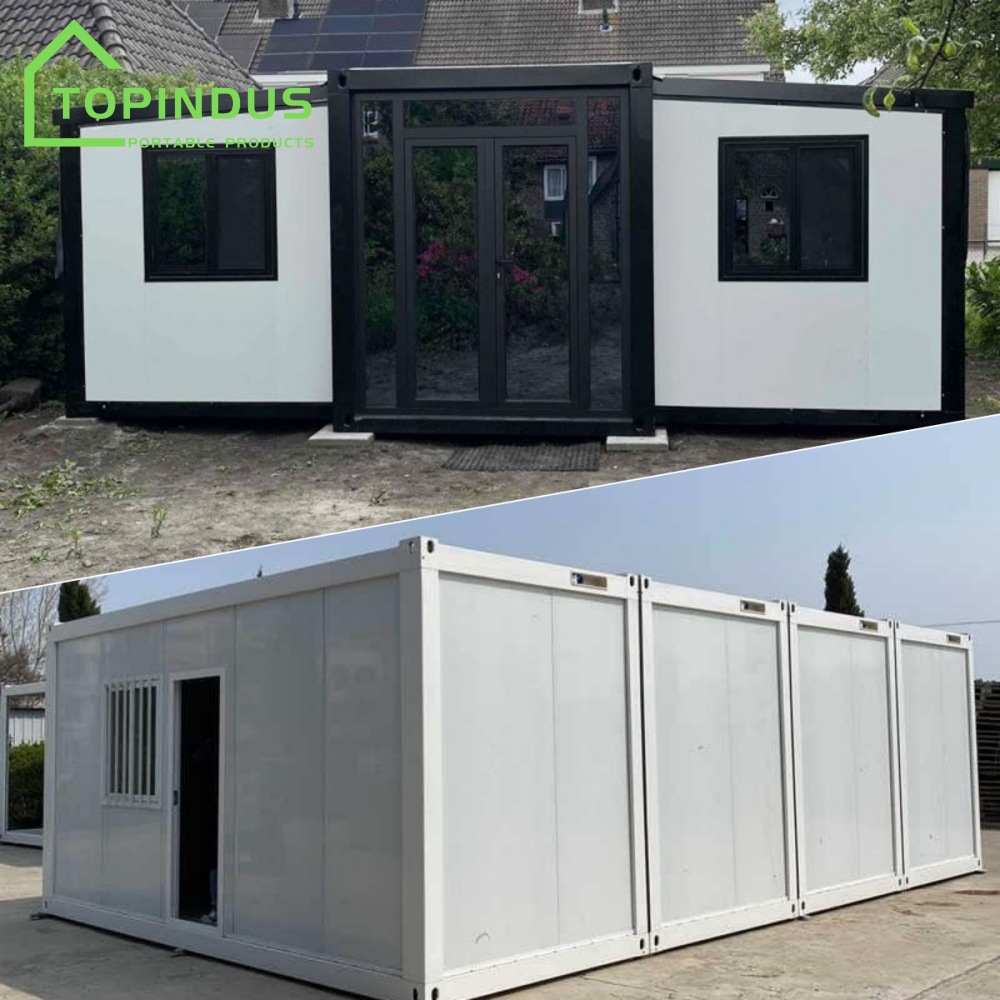
    Although both house solutions are modular, their practical advantages are different. The following factors can help you make an initial comparison. Evaluation Factor Expandable Container Houses Flat Pack Container Houses Delivery format Compact expandable unit Packed prefabricated components Main project priority Rapid deployment of a larger usable space Flexible assembly and modular planning Installation focus Positioning, expansion, securing, and connections Component assembly and completion of connections Suitable project scale Small to medium deployments and selected larger projects Single-unit or multi-unit modular projects Layout approach Pre-designed expandable configuration Flexible arrangement based on component design Important buyer concern Site access and deployment conditions Assembly resources and site preparation Recommended first step Confirm site dimensions and deployment requirements Confirm layout, quantity, and assembly plan How to Choose the Right Temporary Modular Buildings for Projects Before requesting a quotation, prepare the following project information. It will help the supplier provide a more relevant proposal and reduce unnecessary revisions. 1. Define the Building Function Explain how the building will be used. For example, the requirement may be accommodation, an office, a classroom, a site facility, a reception space, or another application. The intended function affects the internal layout, number of rooms, openings, utility design, furniture requirements, and finishing options. 2. Confirm the Project Location The destination can influence transportation, installation, climate-related requirements, local regulations, and utility connections. Share the country, city, site conditions, and available access information whenever possible. 3. Estimate the Required Quantity A single portable unit and a multi-unit modular project may require different planning approaches. Provide the estimated quantity, preferred layout, and whether future expansion may be needed. 4. Share the Preferred Floor Plan A basic sketch is helpful, even if it is not a final architectural drawing. Include room functions, approximate dimensions, doors, windows, bathrooms, kitchens, and other important spaces. 5. Discuss Materials and Configuration The supplier should confirm the available options for the structure, wall and roof systems, doors, windows, electrical layout, plumbing, interior finish, and other project-specific requirements. Avoid comparing quotations based only on price. Make sure the scope of supply, configuration, packing method, installation responsibilities, and optional items are clearly listed. Why Work with a Modular Building Supplier Early? Early communication with a supplier can help identify practical issues before the project reaches the quotation or production stage. A professional supplier can help review the relationship between the building function, floor plan, transportation method, installation process, and project budget. For international portable container house for construction sites, early technical communication is especially useful because the buyer and supplier may need to confirm: •Product configuration •Project drawings •Delivery destination •Packing and shipping requirements •Installation responsibilities •Utility connection details •Required documents •Local project requirements At Topindus, buyers can review the available portable house solutions and explore the broader product range before submitting their project requirements. Final Decision: Expandable or Flat Pack? Choose an expandable container house when your project places greater emphasis on deploying usable space from a compact transport configuration and you have confirmed the site conditions required for expansion and installation. Choose a flat pack container house when your project requires flexible modular planning, repeated units, or a component-based assembly approach that can be organized around the site layout and available installation resources. There is no single solution for every project. The most suitable choice depends on the building function, number of units, destination, site conditions, installation plan, and required layout. The best way to make a reliable decision is to provide the flat pack container house supplier or expandable container house manufacturer with a clear project brief and compare the proposed configuration, scope of supply, transportation plan, and installation requirements—not only the headline product price. Request a Container House Proposal from Topindus Planning an expandable container house, flat pack container house, or another prefabricated building project? Send Topindus the following information for an initial project review: •Project location •Building application •Required quantity •Preferred floor area or layout •Expected delivery schedule •Site access conditions •Interior and utility requirements •Drawings, sketches, or reference images, if available The Topindus team can review your requirements and discuss a suitable modular building configuration for your project. Contact Topindus for a project quotation or visit the Topindus official website to learn more about its modular building solutions.
  • Do Steel Buildings Last Longer Than Wood?
    Do Steel Buildings Last Longer Than Wood? Aug 21, 2026
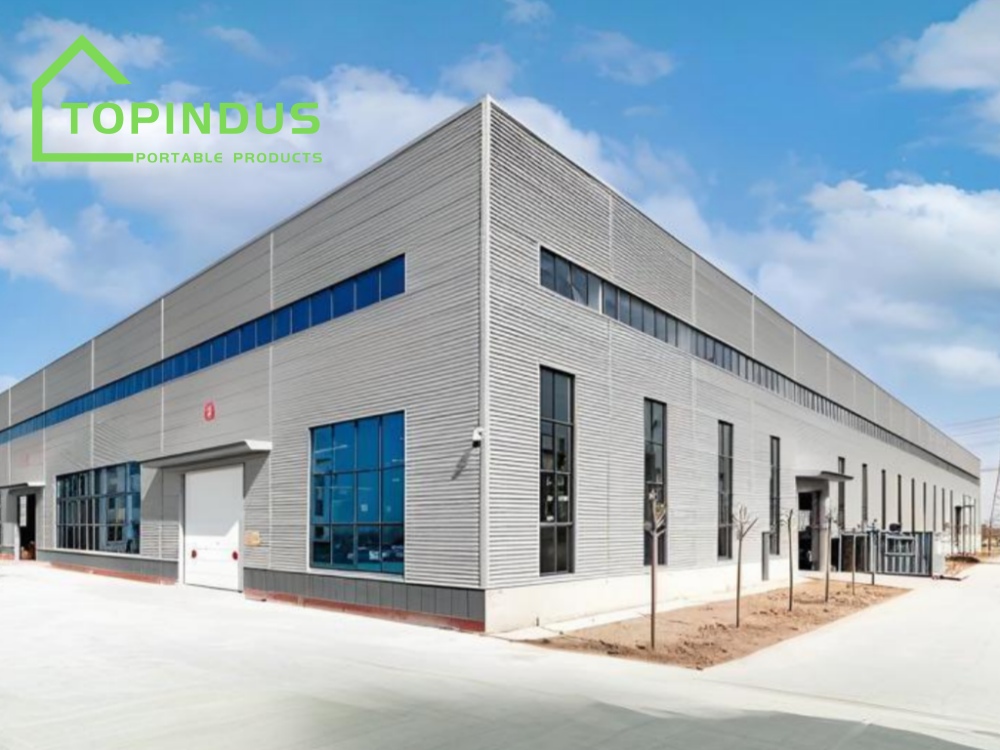
    In most applications, High Quality Steel Structure Buildings can provide a longer and more predictable service life than wood buildings, especially when the steel is properly designed, protected against corrosion, and regularly maintained. Well-maintained Steel Frame Buildings can commonly serve for 50–100 years or more, although actual lifespan depends on design, materials, environment, and maintenance. Steel vs. Wood: Which Material Lasts Longer? Wood can be a durable construction material when it is properly treated and protected. However, it is naturally vulnerable to moisture, termites, mold, rot, and warping. These problems can gradually affect the structural performance of a building. Steel does not rot or provide a food source for termites and other wood-destroying insects. It is also dimensionally stable, meaning it is less likely to warp, twist, or shrink because of moisture changes. This makes steel particularly attractive for warehouses, workshops, factories, agricultural buildings, commercial facilities, and other structures where long-term durability is important. 1. Steel Resists Rot and Termite Damage One of the biggest advantages of steel is that it is inorganic. Unlike wood, steel cannot rot and does not provide food for termites. Wood structures exposed to persistent moisture may develop decay, while termite infestations can cause serious structural damage if they are not discovered early. Steel eliminates these particular risks, reducing the need for termite treatments and repairs. For buildings in humid, tropical, or pest-prone regions, this can be a significant long-term advantage. 2. Better Resistance to Fire Steel is non-combustible, while wood is combustible. This makes steel an attractive choice when fire resistance is an important consideration. However, it is important to understand that a Cost Effective Steel Structure Building is not automatically fireproof. The complete building system—including insulation, wall panels, roofing, interior finishes, and fire protection—determines the final fire performance and must meet local building codes. 3. Less Maintenance Over Time Steel generally requires less maintenance for problems such as rot, termites, and warping. Routine inspections should still be carried out to check the roof, fasteners, joints, protective coatings, drainage, and other components. The main concern for steel is corrosion. If steel is exposed to persistent moisture, salt air, or aggressive industrial environments without adequate protection, rust can reduce its service life. That is why proper surface treatment, galvanization, high-quality coatings, good drainage, and appropriate design are essential for long-term performance. 4. Greater Structural Stability Steel has a high strength-to-weight ratio and maintains its shape well. It is less susceptible to the dimensional changes that can affect wood when humidity and moisture levels change. For large buildings, steel also makes it easier to create wide-span spaces with fewer interior columns. This is particularly useful for warehouses, workshops, factories, and commercial buildings where open floor space is important. Feature Steel Building Wood Building Typical long-term durability Excellent Good with proper maintenance Rot resistance Excellent Vulnerable Termite resistance Excellent Vulnerable Mold resistance High Can be affected by moisture Fire performance Non-combustible Combustible Warping/shrinking Minimal Possible Main maintenance concern Corrosion Moisture, rot and pests Large-span capability Excellent More limited Long-term maintenance Generally lower Generally higher How Long Can a Steel Building Last? There is no single lifespan that applies to every steel building. A properly designed and maintained steel structure can commonly remain functional for 50–100 years or more, while environmental conditions and maintenance practices can significantly affect the actual service life. For example, a Customized Prefab Steel Structure Workshop located in a dry inland environment may face less corrosion risk than one exposed to coastal salt air. Similarly, a building with high-quality corrosion protection and regular inspections will generally perform better than one that is poorly maintained. Can Wood Buildings Last as Long as Steel? Yes. A well-designed and carefully maintained wood building can last for many decades, and historic wooden structures demonstrate that wood can have a very long service life. The difference is that wood is generally more sensitive to moisture, insects, mold, and fire. Keeping a wood structure in excellent condition often requires more attention to these risks. Steel avoids many of these biological deterioration mechanisms, making its long-term performance more predictable in many applications. Why Choose Steel for Your Next Building? If your priority is long service life, structural stability, low maintenance, and resistance to termites and rot, steel is often the better choice. At TOPINDUS, we provide customized steel structure building solutions for warehouses, workshops, factories, commercial buildings, and other applications. Our steel structures can be designed according to project requirements, including building size, layout, loading conditions, insulation, wall panels, roofing systems, and surface protection. Choosing the right steel grade, protective coating, structural design, and construction method is just as important as choosing steel itself. With proper engineering and maintenance, a Durable Prefabricated Steel Building can provide reliable performance for decades.
  • How Long Does It Take to Build a Prefab House?
    How Long Does It Take to Build a Prefab House? Aug 14, 2026
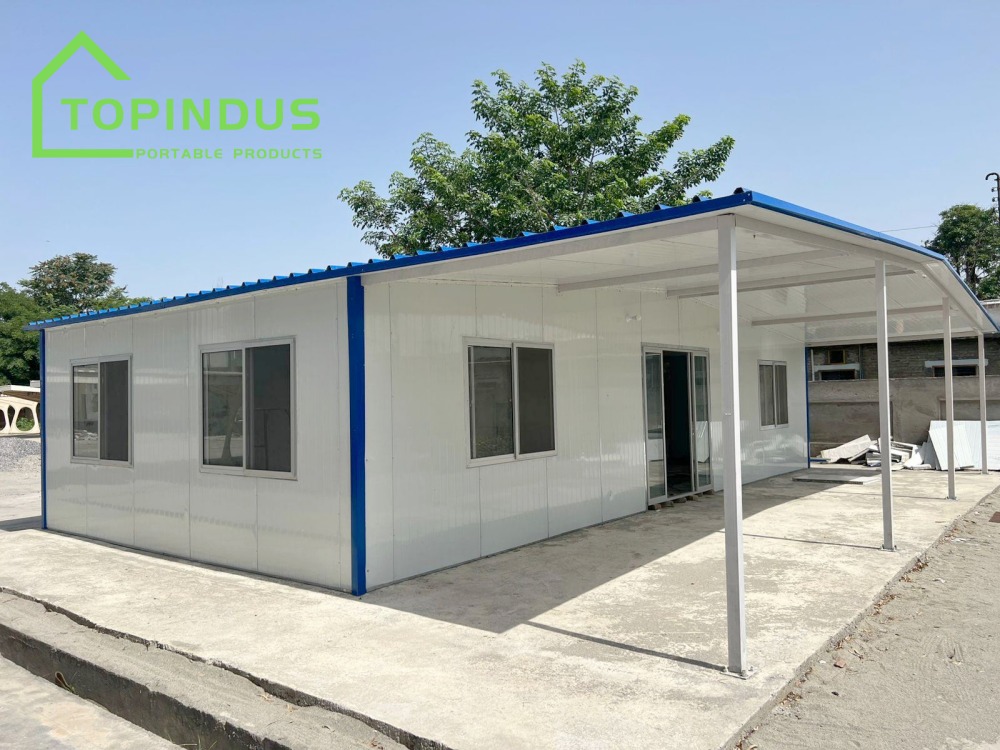
    When planning a new home or temporary accommodation, construction time is one of the most important factors to consider. Compared with traditional construction, prefab houses can significantly shorten the overall building process because many components are manufactured and prepared in a controlled factory environment. So, how long does it actually take to build a Portable Prefab House for Temporary Accommodation? How Long Does a Customizable Prefab House Take to Build? In general, a Quick Assembly Prefab House for Projects can be manufactured and installed within a few weeks to several months, depending on the house type, size, customization, site conditions, and project requirements. A typical prefab house project can be divided into four main stages: 1. Design and Planning The project starts with layout design, material selection, structural calculations, and customization. Simple projects can be confirmed relatively quickly, while larger or more customized buildings may require additional design time. 2. Factory Manufacturing Once the design is approved, the main structural components, wall panels, roof systems, doors, windows, and other parts are manufactured in the factory. Since much of the work is completed simultaneously, factory production can be faster and more predictable than traditional on-site construction. 3. Site Preparation While the house is being manufactured, the construction site can be prepared at the same time. Foundation work, utilities, drainage, and other necessary preparations can be completed before the house arrives. 4. Transportation and Installation After production is completed, the components are transported to the project site and assembled. Depending on the building system and project size, installation can take from several days to several weeks. What Affects Prefab House Construction Time? The actual timeline varies from project to project. Several factors can influence the total construction period. House Size and Layout A small Factory Direct Prefab House with Customization with a simple layout can usually be completed much faster than a large multi-room building. Larger projects naturally require more materials, transportation, and installation work. Level of Customization Standardized prefab house models generally have shorter production times. Customized floor plans, special windows, insulation systems, exterior finishes, and interior configurations may require additional design and manufacturing time. Building Type Different prefab systems have different installation speeds. Flat pack container houses, folding houses, expandable container houses, and K-type prefab houses each have their own production and assembly processes. Site Conditions A well-prepared construction site can help speed up installation. Difficult access, uneven ground, foundation work, or complicated utility connections may extend the project schedule. Project Quantity For larger projects such as worker accommodation camps, offices, dormitories, and emergency housing, production and installation are usually planned in batches. A professional manufacturer can coordinate factory production, packaging, transportation, and site installation to improve overall efficiency. Why Are Prefab Houses Faster to Build? The main advantage of prefab construction is that factory production and site preparation can happen at the same time. With traditional construction, many processes need to be completed sequentially on the construction site. Prefabrication moves a large portion of the manufacturing process into the factory, reducing on-site work and minimizing delays caused by weather and other site-related factors. Prefab construction also provides better control over material preparation, component dimensions, and production quality. This makes the installation process more organized and efficient. How Can You Make a Affordable Prefab House Project Faster? If construction speed is a priority, several steps can help shorten the overall project timeline: Choose a standardized prefab house design. Confirm the floor plan and specifications early. Work with an experienced prefab house manufacturer. Prepare the foundation before the house arrives. Confirm transportation and installation plans in advance. Use factory-prefabricated components to reduce on-site work. Maintain clear communication between the manufacturer, contractor, and project team. Prefab Houses for Fast Construction Projects Prefab houses are suitable for many projects where fast construction and efficient deployment are important. They can be used for worker accommodation, construction camps, offices, dormitories, temporary housing, emergency housing, commercial facilities, and residential projects. For international projects, choosing a manufacturer with strong production capacity and export experience is also important. A reliable supplier can help coordinate design, manufacturing, packaging, transportation, and installation support from one place.
  • Is It Cheaper to Build a Container Home or a Regular House?
    Is It Cheaper to Build a Container Home or a Regular House? Aug 07, 2026
    With the rising cost of construction materials and labor, more people are exploring alternative housing solutions. Easy Installation Prefabricated Container Homes have become increasingly popular due to their modern design, fast installation, and flexible customization. But are they actually cheaper than traditional houses? The answer depends on factors such as design, size, materials, location, and finishing requirements. Let’s compare container homes and regular houses to understand the cost differences. 1. Initial Construction Cost In most cases, a Factory Direct Prefab Container House has a lower initial construction cost compared with a traditional house. A container home is built using a prefabricated structure, which means many components are manufactured in a factory before being transported and installed on-site. This reduces construction time, labor costs, and material waste. A traditional house usually requires more on-site work, including foundation construction, brick or concrete walls, electrical installation, plumbing, and interior finishing. These processes can significantly increase the overall budget. For small residential projects, container homes can often provide a more affordable solution, especially when a simple and functional design is required. 2. Construction Time and Labor Cost One of the biggest advantages of Modern Portable Container Living Homes is the shorter construction period. A traditional house may take several months or even over a year to complete, depending on the design and local construction conditions. In comparison, a prefabricated container home can be manufactured quickly and installed within a much shorter timeframe. Faster installation means reduced labor costs and less impact from weather delays, making container homes an attractive option for projects that require rapid deployment. 3. Customization and Design Flexibility Many people think Modular Container Homes have limited designs, but modern modular technology allows a wide range of customization options. Customizable Design Modular Container Houses can be designed with bedrooms, kitchens, bathrooms, living areas, balconies, and modern interior decoration. Multiple units can also be combined to create larger living spaces. Traditional houses usually offer more freedom in architectural design, but customized features may increase costs significantly. For buyers who want a practical, stylish, and efficient living space, container homes offer excellent value. 4. Maintenance and Long-Term Costs The long-term cost depends on the quality of materials and construction standards. A well-designed container home with proper insulation, waterproofing, and corrosion protection can provide a comfortable living environment with low maintenance requirements. Traditional houses may have higher maintenance costs due to larger structures and more complex systems. However, they may also offer stronger market value and longer-term appreciation in some regions. 5. Which One Should You Choose? A Portable Container Home may be the better choice if you need: A cost-effective housing solution Fast installation and delivery A temporary or movable building A customized modular living space A small house, guest house, office, or rental unit A traditional house may be more suitable if you need: A large permanent residence More architectural freedom Higher resale value A long-term family home So, is it cheaper to build a container home or a regular house? In general, container homes are usually more affordable in terms of initial investment, construction speed, and labor costs. They provide a flexible and efficient alternative to traditional construction, especially for small and medium-sized projects. However, the final cost depends on your design requirements, location, and level of customization. By choosing a reliable prefabricated building manufacturer and planning your project carefully, a container home can offer an affordable, modern, and sustainable housing solution. Looking for a customized container home solution? Contact TOPINDUS for professional design, manufacturing, and global delivery services.
  • Which Is Better for Modern Construction Steel Structure or Concrete Building
    Which Is Better for Modern Construction Steel Structure or Concrete Building Jul 30, 2026
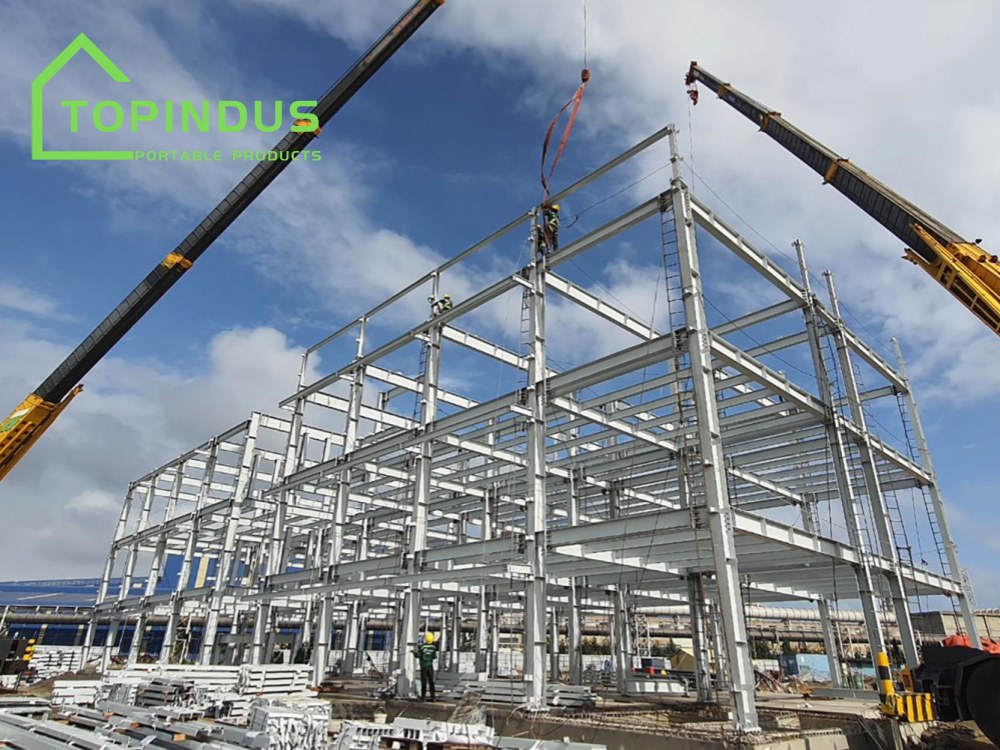
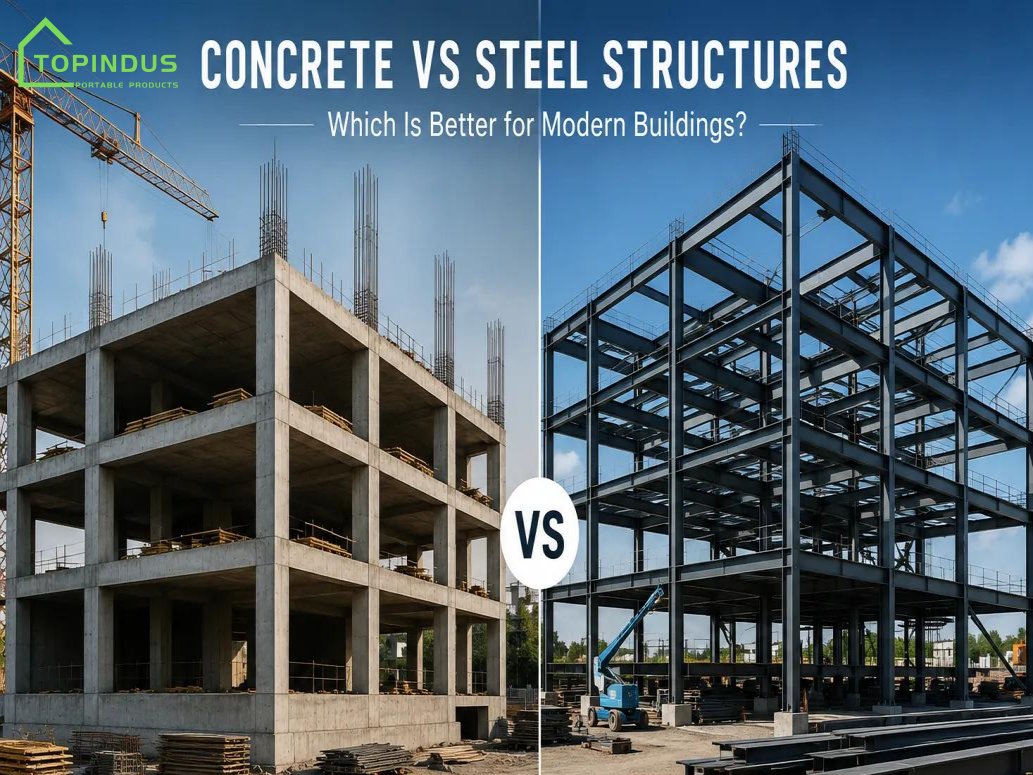
    When choosing a building solution, steel structures and concrete buildings are two of the most common options. Each method has its own advantages, but steel structures are becoming increasingly popular due to their faster construction, flexibility, and cost efficiency. 1. Faster Construction Speed One of the biggest advantages of High Quality Prefabricated Steel Buildings is their shorter construction period. Steel components are manufactured in factories and assembled on-site, which reduces installation time and minimizes the impact of weather conditions. This makes steel structures an ideal choice for warehouses, workshops, factories, and other projects requiring fast completion. Advantages of steel structures: Factory-prefabricated components Quick installation Reduced construction time Less on-site labor 2. Strength and Design Flexibility Steel has a high strength-to-weight ratio, allowing buildings to achieve large spans while maintaining structural stability. Compared with traditional concrete buildings, steel structures provide greater flexibility for customized designs, future expansion, and functional changes. They are widely used for industrial buildings, logistics warehouses, commercial facilities, and modular construction projects. 3. Cost Efficiency and Sustainability Customized steel structure buildings can help reduce overall project costs through efficient manufacturing, faster installation, and reduced material waste. In addition, steel is a highly recyclable material, making steel buildings an environmentally friendly choice for modern construction. Durable Steel Frame Prefab Building solutions also support sustainable building practices by improving production efficiency and reducing waste. Steel Structure vs Concrete Building Feature Steel Structure Concrete Building Construction Speed Faster Longer Design Flexibility Highly customizable More limited Weight Lightweight Heavier Expansion Easier More difficult Sustainability Highly recyclable More construction waste Why Choose Topindus Steel Structure Solutions? Topindus specializes in manufacturing steel structure buildings, prefabricated modular buildings, and portable building solutions for global customers. With advanced production equipment, professional engineering teams, and strict quality control, we provide customized solutions for warehouses, workshops, factories, and modular buildings. From design and manufacturing to delivery support, Topindus helps customers build faster, more efficiently, and with reliable quality.
  • Can Expandable Container House Truly Lower Your Construction Camp Costs?
    Can Expandable Container House Truly Lower Your Construction Camp Costs? Jul 24, 2026
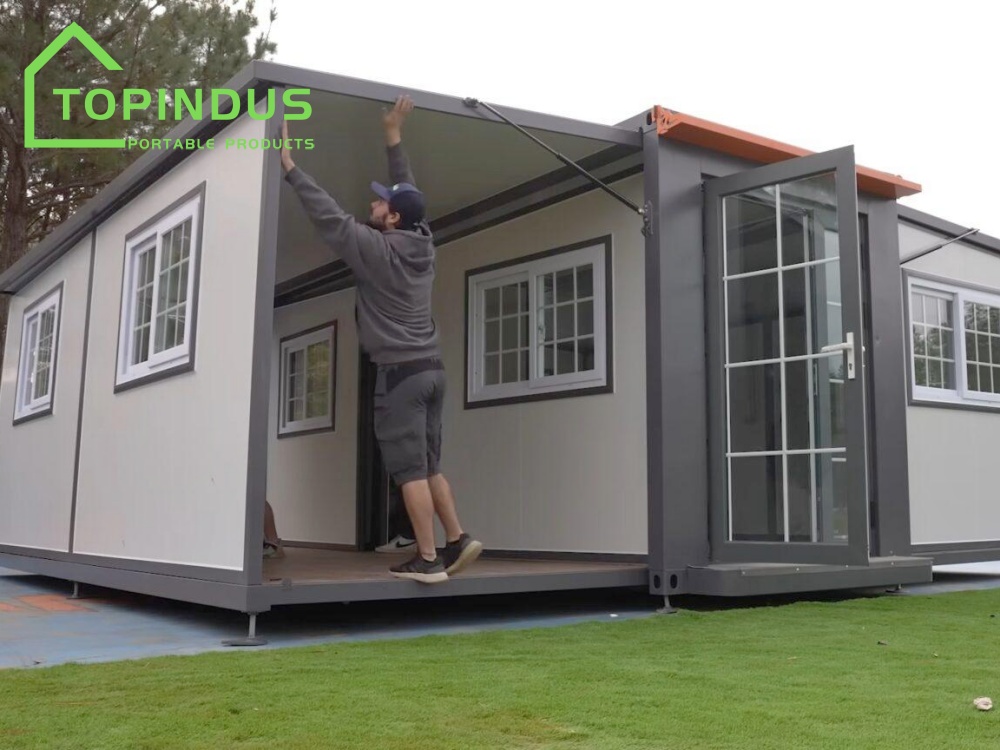
    Quick Installation Expandable Container House offers a smarter alternative by combining prefabricated construction, fast installation, and reusable design. But can it really help reduce construction camp costs? The answer is yes — when it is properly designed and manufactured, it can significantly lower expenses throughout the entire project lifecycle. 1. Reduced Initial Construction Investment Traditional construction camps usually require on-site foundation work, brick walls, long construction periods, and large amounts of labor. These factors increase both material and labor costs. Customized Expandable Container Living Houses are manufactured in advance at the factory, with the steel frame, wall panels, doors, windows, electrical systems, and interior layouts prepared before delivery. This prefabricated approach reduces on-site construction work and minimizes labor requirements, helping companies save on initial investment. For large-scale projects that require dozens or hundreds of accommodation units, the cost advantage becomes even more significant. 2. Faster Installation Saves Labor Costs Time is money, especially for construction projects with strict schedules. Delays in setting up worker accommodation can affect the entire project timeline. Unlike traditional buildings, an Expandable Container House can be quickly transported and expanded on-site. After delivery, workers only need to complete simple assembly and connection work, allowing the camp to become operational in a much shorter time. Faster installation means: Less manpower required Lower construction management costs Earlier project operation This makes expandable houses an ideal solution for temporary construction camps and emergency accommodation needs. 3. Lower Transportation and Logistics Expenses Remote construction camps often face expensive transportation challenges. Shipping traditional building materials such as bricks, concrete, and timber to isolated locations can significantly increase project costs. Expandable Container Houses solve this problem through a foldable and compact transportation design. When folded, the house occupies less space, allowing multiple units to be shipped together and reducing transportation expenses. For international projects, this space-saving feature can greatly reduce container shipping costs. 4. Reusable Design for Long-Term Savings One of the biggest advantages of Expandable Container Houses is their reusability. After a construction project is completed, the houses can be relocated to another site instead of being demolished and discarded. This helps companies maximize their investment and reduce waste. For contractors managing multiple projects in different locations, reusable accommodation solutions provide long-term economic benefits. 5. Comfortable and Customizable Living Space Cost reduction does not mean sacrificing comfort. Prefab Modern Expandable Container Houses can be customized according to different construction camp requirements. They can include: Bedrooms and dormitory areas Bathrooms and kitchens Office spaces Storage areas Large windows and improved ventilation systems With flexible layouts and durable materials, these houses provide workers with a safer and more comfortable living environment while maintaining cost efficiency. 6. Durable Materials Reduce Maintenance Costs A high-quality Expandable Container House uses a strong steel structure combined with insulated sandwich panels, providing excellent durability and weather resistance. The structure can withstand various environmental conditions, including strong winds, heavy rain, and extreme temperatures. Compared with temporary buildings that require frequent repairs, expandable container houses offer lower maintenance costs throughout their service life. So, can an Expandable Container House truly lower your construction camp costs? Yes. By reducing construction time, lowering labor expenses, optimizing transportation, improving reusability, and minimizing maintenance costs, expandable container houses provide a cost-effective solution for modern construction camps. At TOPINDUS, we provide customized prefabricated housing solutions for global construction projects. From design and production to delivery, we help clients create efficient, durable, and economical accommodation solutions for workers worldwide.
  • How to Choose the Right Steel Structure Building?
    How to Choose the Right Steel Structure Building? Jul 17, 2026
    Steel structure buildings have become the preferred choice for factories, warehouses, workshops, logistics centers, and commercial facilities thanks to their high strength, fast installation, and long service life. However, with so many options available, choosing the right steel structure building can be challenging. This guide will help you understand the key factors to consider before making your investment. 1. Define Your Building Purpose The first step is to determine how the building will be used. Different applications require different structural designs. Factory Buildings – Heavy machinery, overhead cranes, and large production spaces. Warehouses – Wide-span layouts with maximum storage capacity. Workshops – Flexible interior space for manufacturing and maintenance. Commercial Buildings – Attractive appearance with functional layouts. Agricultural Buildings – Durable and cost-effective solutions for farms and livestock. Choosing a building designed specifically for your application ensures better performance and lower long-term costs. 2. Select the Right Structural Design Not all steel structures are the same. The design should match your project requirements. Common structural options include: Prefabricated Portal Frame Steel Structures – Ideal for factories and warehouses with large clear spans. Multi-Story Steel Buildings – Suitable for offices and commercial projects. Large-Span Steel Structures – Designed for aircraft hangars, exhibition halls, and sports facilities. Customized Steel Structures – Tailored to meet unique project specifications. A professional engineering team can optimize the structure to balance strength, functionality, and cost. 3. Consider Local Climate Conditions Environmental factors have a significant impact on building performance. Before selecting a steel structure, consider: Wind load requirements Snow load capacity Seismic resistance Rainfall and drainage Corrosion protection for coastal environments A properly engineered structure ensures long-term safety and durability in different climates. 4. Evaluate Material Quality High-quality materials directly affect the lifespan and reliability of your building. Look for: High-strength structural steel Precision fabrication Hot-dip galvanized or anti-corrosion coatings Durable roof and wall sandwich panels with thermal insulation Premium materials reduce maintenance costs and improve overall performance. 5. Think About Future Expansion Your business may grow over time, so your building should be designed with future expansion in mind. A modular steel structure allows you to: Extend the building length Add additional bays Increase storage capacity Install overhead crane systems Upgrade production facilities with minimal disruption Planning ahead saves both time and investment in the future. 6. Choose an Experienced Manufacturer A reliable manufacturer is just as important as the building itself. An experienced supplier should provide: Professional design and engineering support Customized solutions Precision manufacturing Strict quality inspection Efficient global shipping Installation guidance and after-sales service Working with a trusted manufacturer helps ensure smooth project execution from design to delivery. Why Choose TOPINDUS? At TOPINDUS, we specialize in customized high-strength steel structure buildings for industrial and commercial applications worldwide. From design optimization and precision fabrication to quality control and global delivery, our experienced team provides complete project support. Whether you need a steel warehouse, factory steel building, workshop, aircraft hangar, or other Custom Steel Structure Building Solutions, TOPINDUS can deliver reliable, cost-effective products tailored to your project requirements.
  • Are Flat Pack Container Houses Capable of Withstanding Extreme Weather Conditions?
    Are Flat Pack Container Houses Capable of Withstanding Extreme Weather Conditions? Jul 10, 2026
    Custom Flat Pack Container Houses are widely used for construction camps, offices, schools, and temporary accommodation around the world. One common question from buyers is: Can they withstand extreme weather? The answer is yes. When manufactured with high-quality materials and installed correctly, Insulated Flat Pack Container Houses can perform well in harsh climates, including strong winds, heavy rain, snow, and extreme heat. Strong Steel Structure A quality Durable Prefabricated Container House is built with a galvanized steel frame that provides excellent strength and corrosion resistance. The rigid structure helps the building remain stable even in demanding environments while extending its service life. Built for Harsh Weather Modern Flat Pack Steel Container Houses are engineered to handle various weather conditions. Reinforced frames and secure connections improve wind resistance, while waterproof roofing systems and sealed joints help prevent leaks during heavy rainfall. For cold regions, insulated sandwich panels reduce heat loss and improve energy efficiency. In hot climates, the same insulation helps keep indoor temperatures comfortable while lowering cooling costs. Customizable for Different Environments Every project has different climate requirements. Temporary Flat Pack Container Houses can be customized with thicker insulation, stronger roof structures for snow loads, additional wind-resistant reinforcements, or upgraded doors and windows to meet local building standards. This flexibility makes them suitable for construction sites, mining camps, disaster relief projects, schools, offices, and remote accommodations worldwide. Why Choose TOPINDUS? TOPINDUS manufactures durable flat pack container houses for global projects. Our products feature: High-strength galvanized steel frames Excellent thermal insulation Fast installation and easy transportation Custom designs for different climates OEM & ODM manufacturing services Whether your Modular Container Building is located in a hot desert, a rainy coastal area, or a snowy region, we can provide a solution designed to meet your environmental requirements.
  • Why Every Worksite Needs Portable Hand Wash Stations?
    Why Every Worksite Needs Portable Hand Wash Stations? Jul 03, 2026
    Portable hand wash station is a self-contained hygiene unit designed to provide clean running water without requiring connection to a permanent water supply or drainage system. Most models include: Fresh water tank Wastewater tank Foot pump or hands-free operation Soap dispenser Paper towel holder Durable weather-resistant construction Because they are lightweight and easy to transport, Outdoor Portable Hand Washing Stations can be deployed almost anywhere within minutes. Why Hygiene Matters More Than Ever Hand hygiene is one of the simplest yet most effective ways to reduce the spread of bacteria and viruses. Workers and visitors touch tools, equipment, doors, railings, and shared surfaces throughout the day. Without proper handwashing facilities, germs can spread quickly, increasing health risks and reducing workplace productivity. Providing accessible handwashing stations encourages good hygiene habits and demonstrates a commitment to employee welfare and public safety. Ideal for Construction Sites Construction workers are constantly exposed to dirt, dust, grease, chemicals, and building materials. Clean hands are essential before eating, drinking, or after using portable toilets. Portable Hygiene Stations provide several benefits on construction sites: Improve worker hygiene Reduce cross-contamination Support workplace health and safety regulations Increase employee satisfaction Easy relocation as projects progress Since construction projects often move through different phases, portable units offer the flexibility that permanent facilities simply cannot provide. Perfect for Temporary Work Camps Mining operations, oil fields, infrastructure projects, disaster relief camps, and military bases often operate in remote areas without municipal water systems. Portable hand wash stations provide an independent sanitation solution that can be quickly transported and installed. Their self-contained design makes them ideal for challenging environments where infrastructure is limited. Hands-Free Operation Improves Hygiene Modern Portable Hygiene Stations for Outdoor Projects often feature foot-operated pumps instead of hand-operated faucets. This hands-free design offers several advantages: Reduces contact with shared surfaces Minimizes the spread of germs Easy for users of all ages Conserves water Simple mechanical system with low maintenance For high-traffic locations, hands-free operation provides a cleaner and more hygienic user experience. Environmentally Friendly Water Usage Many portable hand wash stations are designed to maximize water efficiency. Controlled water flow allows dozens or even hundreds of hand washes using a relatively small fresh water tank. The integrated wastewater tank also prevents contamination of surrounding soil and keeps worksites and event venues clean. Reusable units further reduce environmental impact compared to temporary disposable sanitation solutions. Durable Enough for Tough Conditions High-quality portable hand wash stations are manufactured from durable HDPE or other heavy-duty materials that resist: UV exposure Rain Corrosion Impact damage Extreme temperatures These rugged materials ensure long service life even under demanding outdoor conditions. Easy Transportation and Installation One of the biggest advantages of Construction Site Hand Washing Station is their mobility. Unlike permanent plumbing systems, they require: No excavation No plumbing installation No electrical connection Minimal setup time Most units can be moved using forklifts, cranes, or manual handling depending on the model, making them highly adaptable to changing project requirements. Why Businesses Choose Portable Hand Wash Stations For companies responsible for worker safety and public hygiene, portable hand wash stations deliver multiple advantages: Improve workplace hygiene Support health and safety compliance Enhance visitor satisfaction Quick deployment anywhere Low operating costs Durable long-term performance Easy maintenance Flexible relocation Water-efficient operation Professional appearance These benefits make Outdoor Portable Hand Washing Stations an indispensable addition to modern worksites and temporary facilities.
  • How Expandable Container Houses Reduce Construction Camp Costs
    How Expandable Container Houses Reduce Construction Camp Costs Jun 26, 2026
    Construction camps are essential for many industries, including mining, oil and gas, infrastructure, road construction, and renewable energy projects. However, building and maintaining a temporary camp can quickly become one of the biggest project expenses. Besides the buildings themselves, companies must also consider transportation, installation, labor, maintenance, and relocation costs. This is why more contractors are choosing expandable container houses instead of traditional temporary buildings. But can they really reduce your construction camp costs? Let's take a closer look. Lower Initial Construction Costs Traditional construction camps require concrete foundations, large construction teams, and long building schedules. These expenses add up before the project even begins. Portable Expandable Office Container Houses arrive as prefabricated units from the factory. Most of the structural work has already been completed, allowing the buildings to be installed in just a few hours after delivery. This significantly reduces on-site labor requirements and construction expenses. For companies managing multiple projects every year, the savings can be substantial. Save More on Transportation Transportation is often overlooked when planning a construction camp budget. Expandable Modular Homes are designed to fold into a compact size during shipping. This means more units can fit into one shipping container compared with traditional modular buildings. Lower shipping volume means fewer containers, lower freight costs, and easier logistics—especially for overseas projects or remote job sites. Fast Installation Means Faster Project Startup Every day spent building temporary accommodation delays project operations. An Foldable Expandable Housing For Workers can usually be unfolded and installed within a few hours using basic lifting equipment. Electrical wiring, doors, windows, walls, and flooring are already integrated into the structure before shipment. The faster your camp is ready, the sooner your workers can move in and begin the project. Reusable Across Multiple Projects Unlike traditional temporary buildings that are often demolished after one project, Custom Expandable Container House Factory is designed for repeated use. After one project is completed, the units can be folded, transported, and installed at the next job site. For contractors working on multiple construction projects every year, this greatly reduces the long-term cost per project while maximizing the return on investment. Lower Maintenance Requirements Expandable Container Dormitory Building Manufacturer is built with galvanized steel structures and insulated sandwich panels that are designed to withstand various weather conditions. Compared with temporary wooden structures, they require less maintenance and have a longer service life. The durable materials also help reduce repair and replacement costs throughout the project. Why Choose TOPINDUS? At TOPINDUS, we specialize in manufacturing high-quality Custom Construction Houses for customers worldwide. Our factory provides customized layouts, professional engineering support, strict quality control, and reliable export experience. Whether you need a single office unit or a complete construction camp, we can customize the solution to match your project requirements, budget, and local regulations.
  • Which Type Of Mobile Home Is The Most Suitable For Your Project?
    Which Type Of Mobile Home Is The Most Suitable For Your Project? Jun 18, 2026
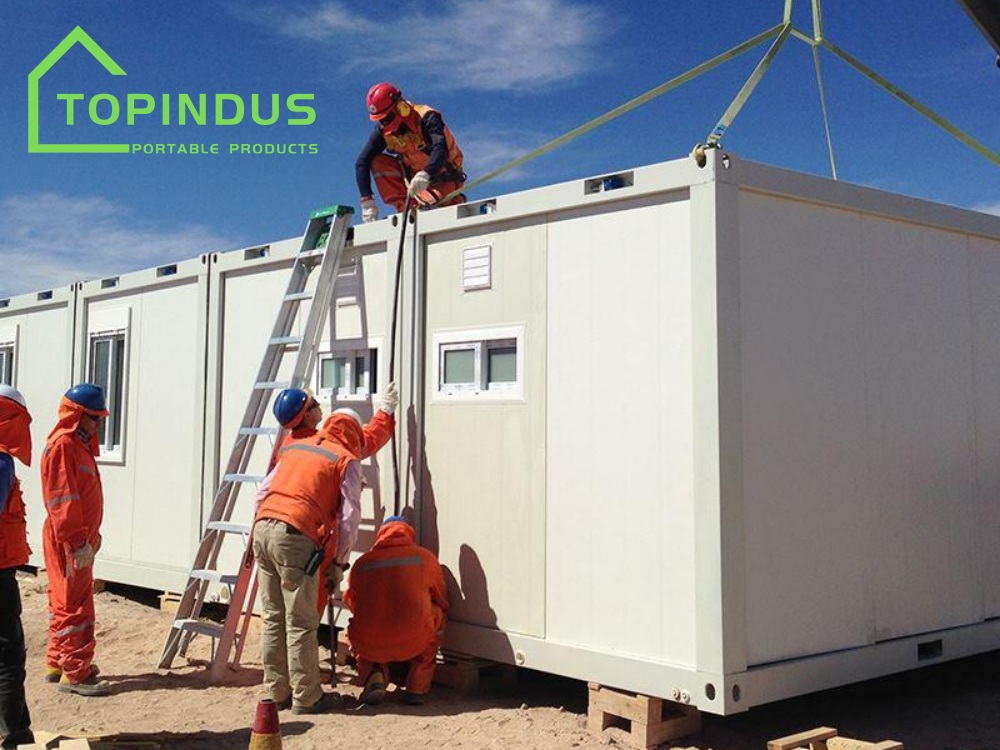
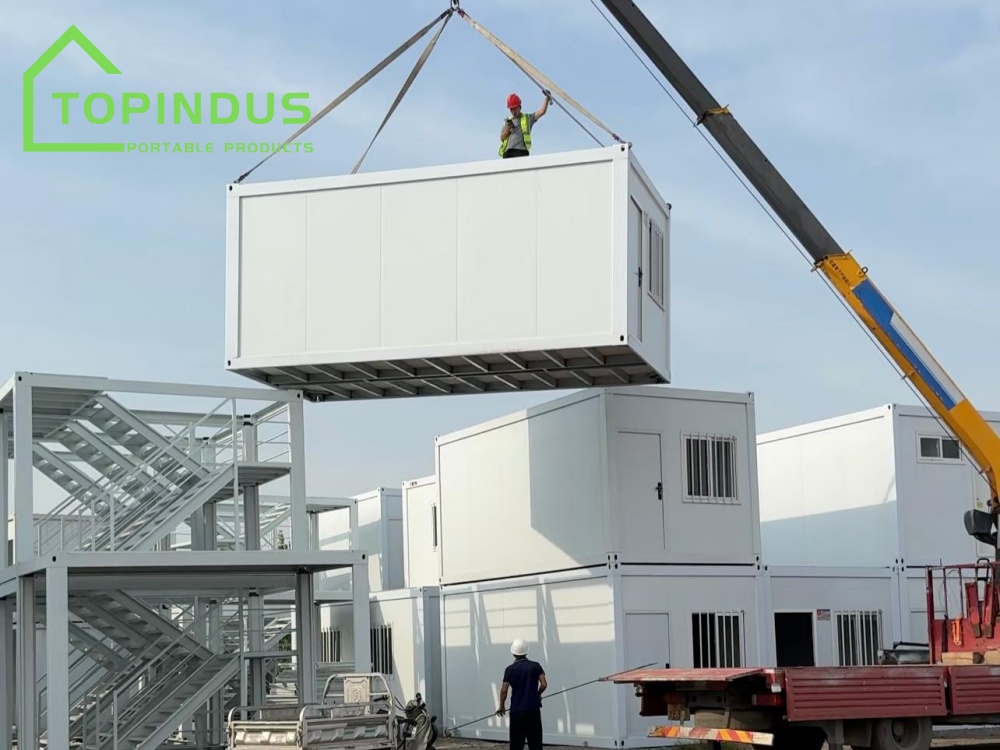
    Many buyers struggle to choose between Flat Pack, Foldable, and Expandable container homes. Each type offers different advantages depending on your budget, transportation needs, installation requirements, and intended use. What Is a Mobile Flat Pack Container Home? Custom Flat Pack Container Home is delivered in a compact package with the roof and floor pre-assembled. Wall panels, columns, doors, and windows are packed between the roof and floor, making transportation highly efficient. Advantages: Lower shipping costs Easy to stack and transport Suitable for large-scale projects Durable steel structure Flexible modular design Flat pack container house installation guide is usually simple, and cranes can quickly assemble the structure on-site. What Is a Foldable Container Home? Prefabricated Foldable Container House is designed to fold and unfold quickly. Most structural components are pre-installed at the factory, reducing assembly work on-site. Advantages: Fast installation Reduced labor costs Easy relocation Compact transportation size Many buyers choose quick setup foldable container house solution when they need temporary housing that can be deployed rapidly. What Is an Expandable Container House? Prefab Expandable Container Living Home can expand from a compact shipping size into a much larger living space after installation. It typically includes bedrooms, bathrooms, kitchens, and living rooms. Advantages: Larger interior space Comfortable living environment Residential-style layout Attractive appearance Expandable container home living space is significantly larger than standard container homes, making it ideal for long-term use. Comparing the Three Options Transportation Efficiency The best container home for transport is usually the Flat Pack model because multiple units can be loaded into a single shipping container. Installation Speed If installation speed is your priority, a portable foldable housing solution is often the fastest option, with setup completed in just a few hours. Living Comfort For buyers seeking comfort and functionality, the expandable house with bathroom kitchen configuration offers the most spacious and home-like environment. Project Scale Large projects often prefer a modular container house for workers because Flat Pack units provide excellent transportation efficiency and scalability. Long-Term Residential Use An affordable expandable container house design is typically the preferred choice for homeowners who need more interior space and better living comfort. Which Container Home Should You Choose? There is no single solution that fits every project. Choose a Flat Pack Container Home if you need cost-effective transportation and large-volume deployment. Choose a Foldable Container Home if quick installation and mobility are your top priorities. Choose an Expandable Container Home if you want a spacious living area and a more comfortable residential experience. Before making a decision, consider your budget, transportation costs, installation conditions, and intended use. Understanding the differences between these three options will help you select the container home that delivers the best value for your project.
  • How to Choose an HDPE Handicap Porta Potty Manufacturer?
    How to Choose an HDPE Handicap Porta Potty Manufacturer? Jun 12, 2026
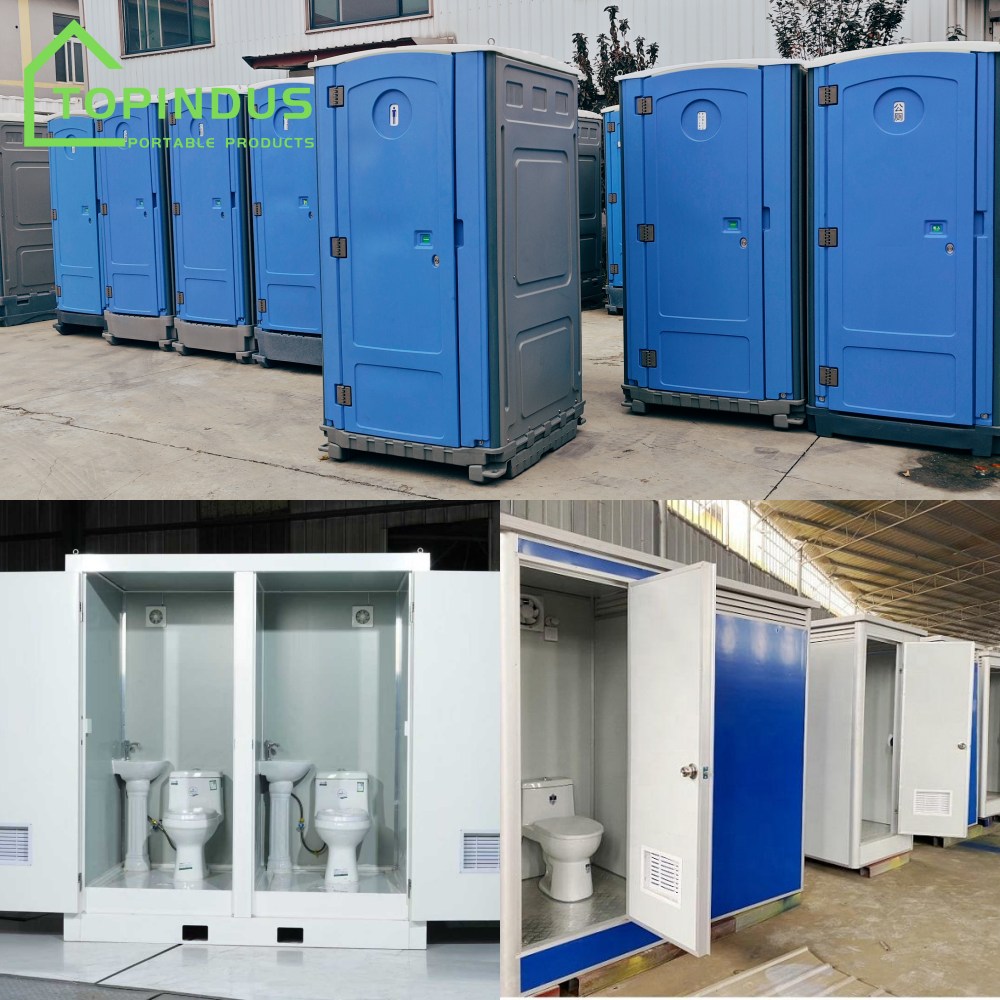
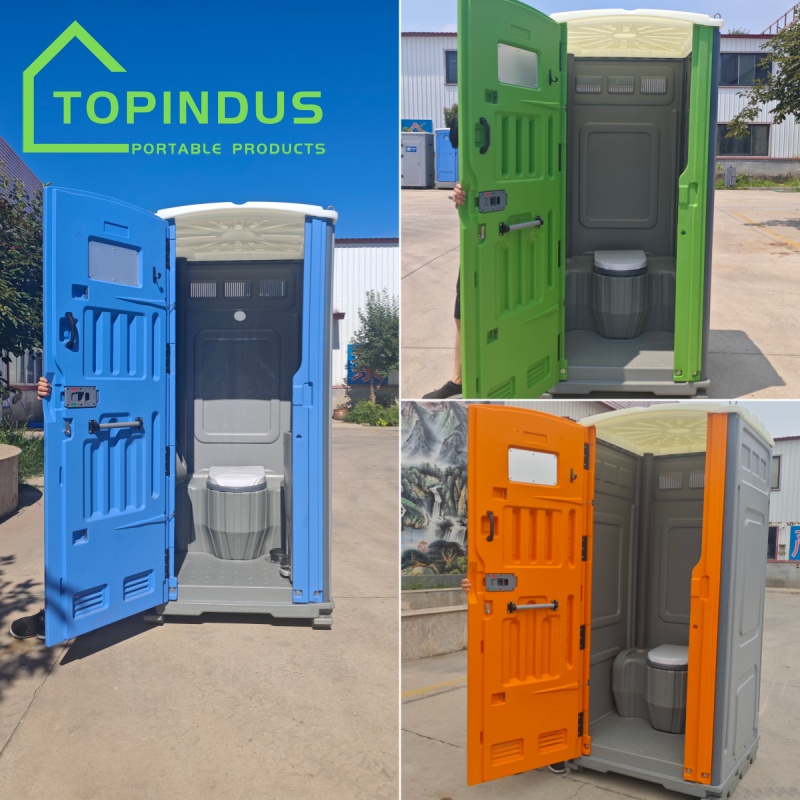
    HDPE handicap porta potties are becoming increasingly popular because they are durable, easy to maintain, and designed to accommodate users with mobility challenges. How Do You Choose the Right HDPE Handicap Porta Potty Manufacturer for Your Business? Here are some key factors to consider before making your decision. 1. Evaluate the Quality of Materials The first thing to look for is the material used in the portable toilet. High-Density Polyethylene (HDPE) is widely recognized as one of the best materials for portable sanitation units. It offers excellent resistance to UV exposure, corrosion, impact, and harsh weather conditions. A high-quality HDPE Wheelchair Handicap Portable Toilet should maintain its appearance and structural integrity even after years of outdoor use. When comparing suppliers, ask about: HDPE material thickness UV-resistant additives Rotational molding technology Weather resistance performance Expected service life A well-manufactured HDPE toilet can provide years of reliable service with minimal maintenance. 2. Check Accessibility Design Features A HDPE handicap accessible portable toilet requires more than simply providing extra space. A professional manufacturer should understand accessibility requirements and design products that improve user comfort and safety. Important features may include: Spacious interior layout Wheelchair-friendly entry Anti-slip flooring Grab bars and support handles Easy-to-operate locking system Adequate ventilation These features help ensure that users with disabilities can use the facility safely and comfortably. 3. Look for Manufacturing Experience Experience matters when selecting a portable toilet supplier. Manufacturers with years of production experience typically have better quality control systems, stronger engineering capabilities, and a deeper understanding of customer requirements. Before choosing a supplier, consider: Years in business Factory size Production capacity Export experience Previous project cases An experienced manufacturer can often provide practical recommendations and customized solutions based on your specific application. 4. Assess Customization Capabilities Different projects have different requirements. Some customers may need customized colors to match project branding, while others may require larger water tanks, special lifting points, additional handwashing stations, or unique signage. A reliable manufacturer should offer flexible customization services, including: Color customization Logo printing Optional accessories Project-specific configurations Customization can help improve usability while strengthening your company's professional image. 5. Consider Transportation and Packaging Solutions Portable mobile toilets are often shipped internationally, making transportation efficiency an important consideration. A professional manufacturer should design packaging solutions that protect the products during shipping while maximizing container loading efficiency. Proper packaging can significantly reduce transportation costs and minimize the risk of damage. Be sure to discuss: Container loading quantities Export packaging methods Shipping support Efficient logistics can save both time and money. 6. Evaluate After-Sales Support The relationship with your supplier doesn't end after delivery. A dependable manufacturer should provide ongoing support, including: Technical assistance Spare parts availability Installation guidance Product maintenance advice Quick response to customer inquiries Strong after-sales service can help ensure smooth operation throughout the product lifecycle. Why Choose TOPINDUS as Your HDPE Handicap Porta Potty Manufacturer? At TOPINDUS, we specialize in manufacturing high-quality HDPE portable toilets for customers worldwide. With extensive industry experience, we understand the challenges faced by contractors, rental companies, government organizations, and event operators. Our HDPE handicap porta potties are designed with durability, accessibility, and user comfort in mind. We utilize high-quality HDPE materials and advanced rotational molding technology to ensure long-lasting performance in demanding environments. What sets TOPINDUS apart? ✓ Professional HDPE portable toilet manufacturer ✓ Customizable designs and configurations ✓ Strong production capacity ✓ Strict quality control procedures ✓ Competitive factory-direct pricing ✓ International export experience ✓ Responsive customer support Whether you need a single customized unit or a large-scale project solution, our team is ready to help you find the right portable sanitation products for your business. Looking for a reliable HDPE handicap porta potty supplier? Contact TOPINDUS today to discuss your project requirements and receive a customized quotation from our expert team.
1 2 3 4 5 6 7 8 9 10 13 14

A total of14pages

leave a message

leave a message
If you have any questions or special needs about our container house or mobile toilet products and so on, please feel free to leave a message and our professional team will respond to you in the fastest time and provide the most suitable and cost-effective solution for you.
Submit

Home

Products

whatsApp

contact