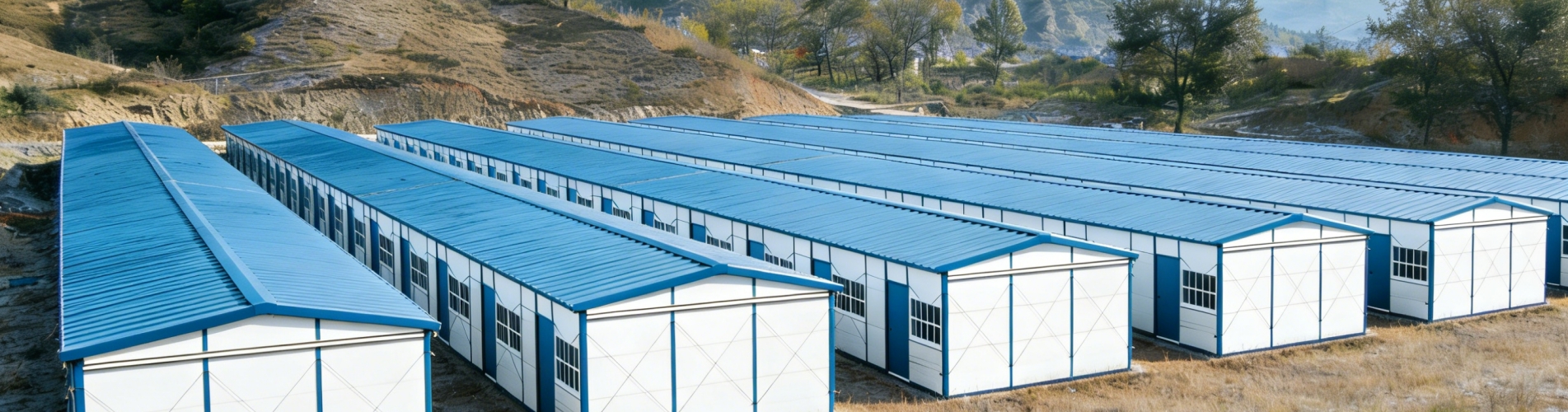
When planning a new home or temporary accommodation, construction time is one of the most important factors to consider. Compared with traditional construction, prefab houses can significantly shorten the overall building process because many components are manufactured and prepared in a controlled factory environment.
So, how long does it actually take to build a Portable Prefab House for Temporary Accommodation?
How Long Does a Customizable Prefab House Take to Build?
In general, a Quick Assembly Prefab House for Projects can be manufactured and installed within a few weeks to several months, depending on the house type, size, customization, site conditions, and project requirements.
A typical prefab house project can be divided into four main stages:
1. Design and Planning
The project starts with layout design, material selection, structural calculations, and customization. Simple projects can be confirmed relatively quickly, while larger or more customized buildings may require additional design time.
2. Factory Manufacturing
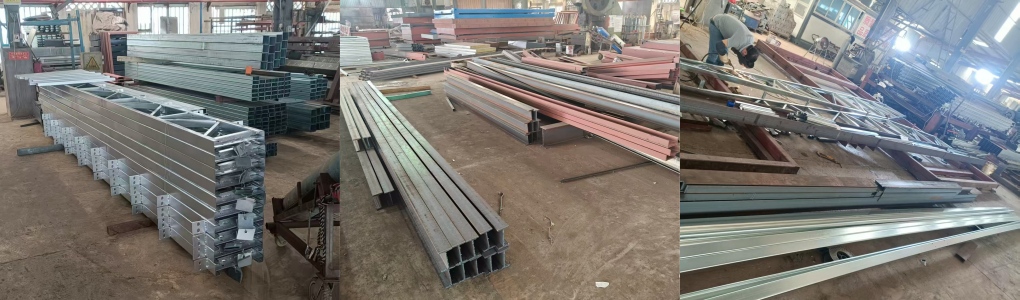
Once the design is approved, the main structural components, wall panels, roof systems, doors, windows, and other parts are manufactured in the factory. Since much of the work is completed simultaneously, factory production can be faster and more predictable than traditional on-site construction.
3. Site Preparation
While the house is being manufactured, the construction site can be prepared at the same time. Foundation work, utilities, drainage, and other necessary preparations can be completed before the house arrives.
4. Transportation and Installation
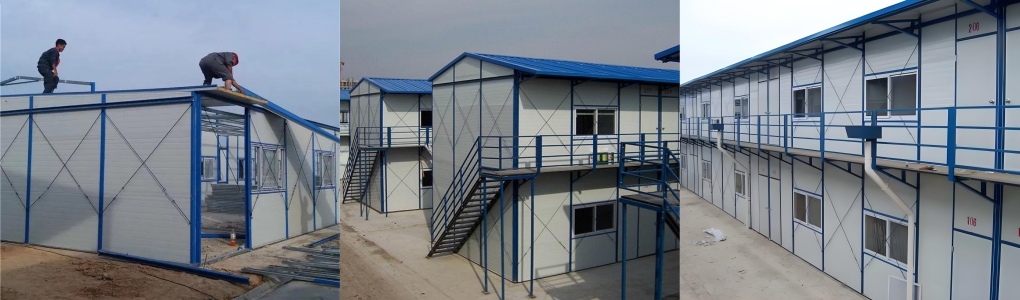
After production is completed, the components are transported to the project site and assembled. Depending on the building system and project size, installation can take from several days to several weeks.
What Affects Prefab House Construction Time?
The actual timeline varies from project to project. Several factors can influence the total construction period.
House Size and Layout
A small Factory Direct Prefab House with Customization with a simple layout can usually be completed much faster than a large multi-room building. Larger projects naturally require more materials, transportation, and installation work.
Level of Customization
Standardized prefab house models generally have shorter production times. Customized floor plans, special windows, insulation systems, exterior finishes, and interior configurations may require additional design and manufacturing time.
Building Type
Different prefab systems have different installation speeds. Flat pack container houses, folding houses, expandable container houses, and K-type prefab houses each have their own production and assembly processes.
Site Conditions
A well-prepared construction site can help speed up installation. Difficult access, uneven ground, foundation work, or complicated utility connections may extend the project schedule.
Project Quantity
For larger projects such as worker accommodation camps, offices, dormitories, and emergency housing, production and installation are usually planned in batches. A professional manufacturer can coordinate factory production, packaging, transportation, and site installation to improve overall efficiency.
Why Are Prefab Houses Faster to Build?
The main advantage of prefab construction is that factory production and site preparation can happen at the same time.
With traditional construction, many processes need to be completed sequentially on the construction site. Prefabrication moves a large portion of the manufacturing process into the factory, reducing on-site work and minimizing delays caused by weather and other site-related factors.
Prefab construction also provides better control over material preparation, component dimensions, and production quality. This makes the installation process more organized and efficient.
How Can You Make a Affordable Prefab House Project Faster?
If construction speed is a priority, several steps can help shorten the overall project timeline:
Prefab Houses for Fast Construction Projects
Prefab houses are suitable for many projects where fast construction and efficient deployment are important. They can be used for worker accommodation, construction camps, offices, dormitories, temporary housing, emergency housing, commercial facilities, and residential projects.
For international projects, choosing a manufacturer with strong production capacity and export experience is also important. A reliable supplier can help coordinate design, manufacturing, packaging, transportation, and installation support from one place.
Address : 801-9 Unit, No 837 Lianting Road, Xiang'an District, Xiamen, Fujian Province
Whatsapp : +86 15959387358
Email : sales1@topindus.com