Space Capsule Houses Durability Materials and Storm Resistance
Apr 23, 2026
What Is a Modern Luxury Space Capsule Prefab House?
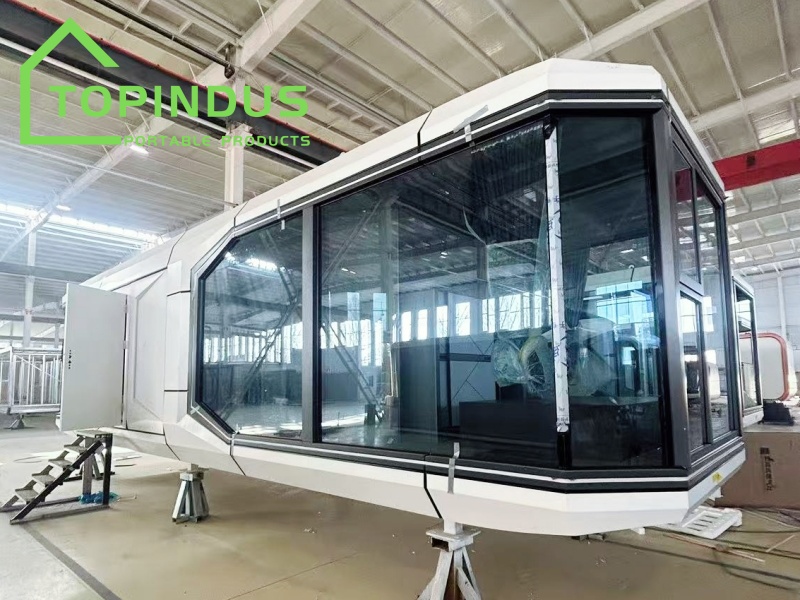
Space Capsule House is a modular, prefabricated housing unit designed with a sleek, capsule-like exterior. It is typically manufactured in a factory and delivered as a nearly complete unit, reducing on-site construction time. These houses emphasize efficiency, modern design, and high functionality within a compact footprint. Despite their relatively small size, they often come fully equipped with essential living facilities such as a bedroom, bathroom, and smart home systems.
Are Space Capsule Houses Durable?
Yes, Space Capsule Houses are generally highly durable. One of the main advantages of this type of housing lies in its industrial-grade construction process. Since the units are manufactured in controlled factory environments, the quality of materials and assembly is more consistent compared to traditional on-site construction.
The outer shell of a Durable modular space capsule living house is usually designed to be weather-resistant, corrosion-resistant, and UV-resistant. This ensures that the structure can maintain its integrity even after prolonged exposure to sunlight, rain, and humidity. Additionally, these houses are often built with a sealed, integrated structure, which minimizes weak points where water leakage or structural wear might occur.
Another factor contributing to durability is the use of high-quality insulation materials. These materials not only improve thermal performance but also protect the interior from external environmental stress, extending the overall lifespan of the house. With proper maintenance, a well-built Portable capsule house can last for many years, making it a cost-effective solution in the long run.
Can Space Capsule Houses Withstand Hurricanes?
The ability of a Lightweight steel frame space capsule house to withstand hurricanes depends on several factors, including its structural design, anchoring system, and installation location. While these houses are generally engineered to handle strong winds and harsh weather conditions, not all models are automatically rated for extreme hurricane-level forces.
Most high-quality Space Capsule Houses are constructed with reinforced steel frames or aluminum alloy structures, which provide excellent strength and stability. Their aerodynamic, curved shape can also help reduce wind resistance compared to traditional box-shaped buildings. This design advantage allows wind to flow around the structure rather than directly pushing against flat surfaces.
However, in regions prone to hurricanes or typhoons, additional reinforcement is necessary. This may include:
Strong foundation anchoring systems to secure the house firmly to the ground
Wind-resistant structural upgrades
Impact-resistant doors and windows
Compliance with local building codes for extreme weather conditions
When properly engineered and installed, a modular space capsule home can withstand strong storms and high winds. That said, for areas with frequent hurricanes, it is always recommended to work with experienced manufacturers who can customize the structure according to local environmental requirements.
What Materials Are Used in Space Capsule Houses?
The materials used in Space Capsule Houses are carefully selected to ensure strength, durability, and comfort. While specific configurations may vary by manufacturer, the following are the most commonly used materials:
1. Structural Frame
The core structure is typically made from galvanized steel or high-strength aluminum alloy. These materials provide excellent load-bearing capacity, corrosion resistance, and long-term durability.
2. Exterior Shell
The outer layer is often constructed from aluminum panels or composite materials such as fiberglass-reinforced plastic (FRP). These materials are lightweight yet strong, offering protection against weather, UV radiation, and physical impact.
3. Insulation Layer
High-performance insulation materials, such as polyurethane foam or rock wool, are used within the walls. These materials improve thermal efficiency, soundproofing, and fire resistance.
4. Interior Finishes
The interior is usually finished with eco-friendly panels, laminated boards, or decorative materials that provide a modern and comfortable living environment. Many units also support full customization, including flooring, lighting, and furniture.
5. Windows and Doors
Double-glazed tempered glass is commonly used for windows to enhance insulation and safety. Doors are often designed to be airtight and secure, contributing to the overall structural integrity.