Modular Steel Buildings: How to Build Faster with Less Waste and Lower Carbon
Oct 16, 2026
By combining prefabrication, accurate engineering, and organized on-site assembly, businesses can shorten construction schedules, reduce material waste, and improve resource utilization. But how can modular steel construction deliver these benefits?
1. What Are Modular Steel Buildings?
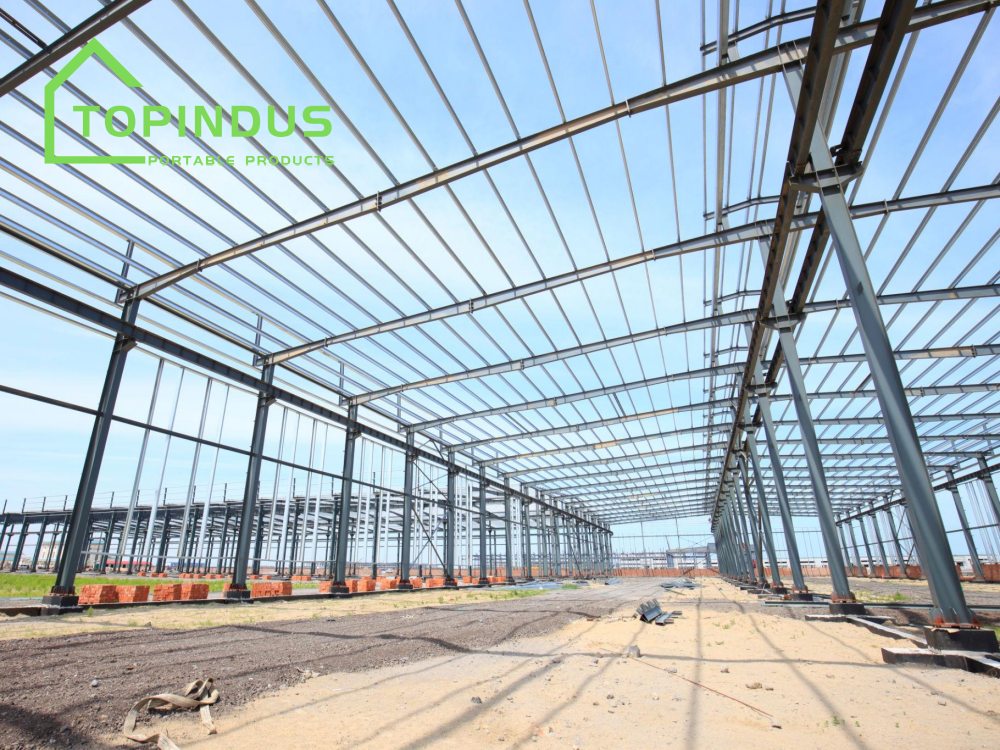
Modular steel buildings use prefabricated steel components manufactured in production workshops and assembled at the construction site. Common components include steel columns, beams, roof trusses, and connecting parts, all designed according to project requirements.
The Modular Steel Building Construction Process typically includes structural design, material preparation, workshop fabrication, transportation, and on-site installation. With detailed drawings and coordinated production, manufacturers can prepare components before the foundation is completed, allowing different project stages to proceed simultaneously.
These buildings are suitable for warehouses, factories, logistics centers, agricultural facilities, and other large-span structures. Their layouts and dimensions can also be customized to suit different operational needs.
2. Build Faster Through Prefabrication
Construction delays can increase labor costs and affect business operations. One major advantage of prefabricated steel construction is that much of the fabrication takes place in a controlled workshop rather than entirely on-site.
Prefabricated Steel Structures can be manufactured while foundation work is underway. Once the components arrive, installation teams can assemble the main frame according to the approved drawings and installation sequence.
Professional engineering, accurate component labeling, and well-organized transportation further improve efficiency. These measures can reduce on-site cutting, welding, and repeated adjustments.
For project owners, effective planning is essential. Confirming building dimensions, structural requirements, and connection details before production helps prevent unnecessary design changes and delays. Actual construction time will depend on project size, site conditions, local regulations, and installation resources.
3. Reduce Material Waste with Precision Manufacturing
Material waste is a common challenge in traditional construction. Incorrect measurements, excessive cutting, design changes, and rework can increase costs and generate unnecessary scrap.
Modern Prefabricated Steel Warehouse Construction Methods help address these problems through detailed shop drawings, optimized cutting plans, and standardized manufacturing procedures.
Steel components can be produced according to specified dimensions, improving material utilization and reducing the need for on-site modifications. Workshop inspections also help identify dimensional or fabrication issues before delivery.
In addition, steel offcuts can often be collected and recycled rather than discarded. However, effective waste reduction still depends on accurate engineering, responsible material management, and coordination between designers and manufacturers.
4. Lower Carbon Through Smarter Steel Construction
Sustainable construction involves more than reducing waste. It also requires considering the environmental impact of materials, manufacturing, transportation, building operation, and eventual demolition.
Sustainable Steel Structure Building Solutions can help improve resource efficiency through optimized structural design and responsible material selection. Engineers can choose appropriate steel sections based on the building's intended use and local loading requirements, avoiding unnecessary material consumption while maintaining structural safety.
Using steel with recycled content may also reduce demand for virgin raw materials, depending on the production method and energy source. Furthermore, durable corrosion protection and regular maintenance can extend a building's service life.
Well-designed Eco Friendly Modular Steel Building Systems may also incorporate insulation, natural lighting, and effective ventilation to reduce operational energy consumption. Transportation planning and efficient cargo loading can further help limit emissions associated with delivery.
It is important to recognize that steel production can be energy-intensive. The actual carbon footprint of a building depends on the steel supply chain, manufacturing processes, design efficiency, transportation distances, and long-term energy use.
5. Choose the Right Steel Structure Manufacturer
A reliable manufacturer plays an important role in the success of any modular steel project. Before choosing a supplier, consider its engineering capabilities, fabrication quality, welding inspection procedures, corrosion protection methods, and experience with similar buildings.
The structure should also comply with applicable local building codes and account for wind loads, snow loads, seismic conditions, and the intended application.
At TOPINDUS, we provide customized steel structure solutions for warehouses, industrial workshops, and agricultural buildings. Our services include project consultation, structural design coordination, manufacturing, and installation guidance to help customers manage their projects more efficiently.
Modular steel construction offers an effective way to improve building efficiency, manage material use, and support more sustainable construction practices. Through accurate design, prefabrication, quality control, and responsible material selection, businesses can build with greater efficiency while managing costs and environmental impact.
For your next warehouse, factory, or agricultural project, modular steel construction is a solution worth considering for its flexibility, durability, and efficient installation.